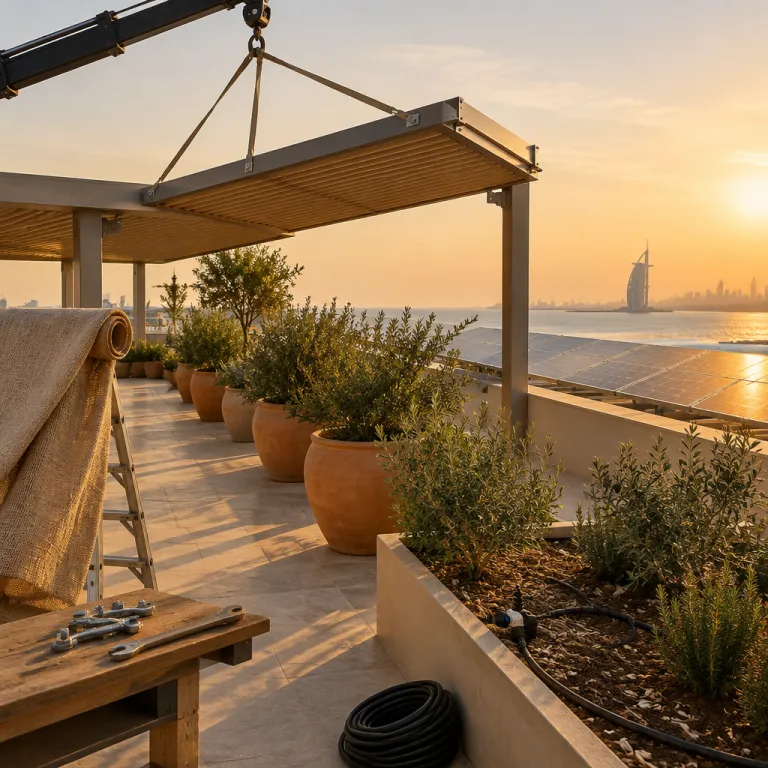
World Tourism Day and the new face of responsible luxury in the UAE
World Tourism Day lands in the Emirates at a revealing moment. The UAE wants tourism development and luxury hotels to signal a shift toward genuinely responsible hospitality, not just another marketing slogan for international visitors. For travellers choosing uae hotels this season, the question is simple yet sharp ; will climate commitments and sustainable tourism promises actually change how a hotel operates day to day.
The region’s tourism story has long been written in superlatives, especially in Dubai where tourism Dubai campaigns celebrate record breaking towers and vast resorts. That same destination now speaks the language of sustainable development, climate change resilience and responsible tourism in every new strategy document. The tension is obvious ; can a market built on excess become a reference point for eco friendly luxury hotels without diluting the comfort that drew visitors in the first place.
Across the united arab emirates, the most interesting change is happening quietly behind the scenes. Hotel management teams in Dubai, Abu Dhabi and the northern emirates are rethinking energy water use, waste management systems and cultural programming rather than just adding a green logo to their websites. For travellers who care about responsible tourism UAE hotels, this is the moment to look beyond the infinity pool and ask how climate, water and community are being treated as core pillars of hospitality rather than optional extras.
From spectacle to substance: how responsible tourism reshapes UAE hotels
Responsible luxury in the united arab emirates starts with uncomfortable questions. How much energy water does a single stay consume, how does climate change affect the coastline you photograph at sunrise, and what will your chosen hotel do to reduce that impact over time. On World Tourism Day, responsible tourism UAE hotels become a litmus test for whether tourism united with sustainability can feel aspirational rather than restrictive.
In Dubai, the most credible properties now publish clear data on water use, energy intensity and waste management rather than vague sustainable claims. Some hotels in this destination have invested in on site grey water treatment, low flow fixtures and smart climate control systems that reduce cooling loads without compromising comfort. When you ask about sustainable tourism at check in, the strongest teams explain how climate change scenarios already shape their long term management decisions instead of offering a rehearsed line about planting trees.
Abu Dhabi’s desert retreats and coastal resorts add another layer to responsible tourism in the arab emirates. Here, responsible hospitality means protecting fragile dunes, mangroves and wildlife corridors while still delivering the level of luxury international visitors expect from the Emirates. If you want to go deeper into regenerative approaches, look at guides to regenerative travel in the Emirates, where the focus shifts from doing less harm to actively improving the places you visit.
Water, food and culture: where responsible luxury becomes tangible
The most convincing examples of responsible tourism UAE hotels are rarely the most photographed corners of a property. They appear in the desalination free chilled water refill stations on each floor, the discreet linen policies that respect both guest comfort and scarce water, and the way staff talk about local cultural heritage with ease rather than reciting a script. In a region where climate change will climate realities are already visible, every litre of water saved and every kilowatt reduced matters more than another design flourish.
Food is another frontier where sustainable tourism in the united arab emirates is moving from trend to baseline expectation. Some luxury hotels now run on site farms or partner with hydroponic growers in Dubai and Abu Dhabi, cutting transport emissions while anchoring menus in the flavours of the arab Emirates. For a closer look at this shift, explore how hotels growing their own food are redefining what eco friendly dining can mean in the desert.
Cultural programming is just as important as technology when assessing responsible tourism in uae hotels. Properties that take united arab identity seriously commission Emirati artists, support local craftspeople and design experiences that explain how tourism development can support rather than erode heritage. When a hotel invests in Arabic language storytelling, fair wages for local guides and respectful dress codes at cultural sites, responsible hospitality stops being an abstract ideal and becomes part of the daily rhythm of your stay.
How to choose a genuinely responsible stay in Dubai and beyond
For a solo traveller planning luxury travel to the Emirates, the most powerful tool is a well timed question. Before you book, ask how the hotel approaches sustainable development, waste management and climate change adaptation, and request specific examples rather than broad promises. Properties that take responsible tourism seriously will share clear policies on energy water efficiency, staff training and community partnerships instead of hiding behind generic sustainability badges.
In Dubai, look for hotels that align with the emirate’s Dubai sustainable tourism initiatives yet go further than minimum certification. Some of the most interesting luxury hotels now link their offers to citywide events, and curated guides such as the hotel deals and restaurant weeks worth planning around help you time your visit without inflating your footprint. In Abu Dhabi and the wider united arab emirates, desert and island properties that cap guest numbers, restore habitats and publish impact reports usually offer a more responsible balance between exclusivity and environmental care.
World Tourism Day is also a reminder that tourism Dubai and tourism across the wider uae will change affect both climate and culture if growth is not carefully managed. The united nations framework for sustainable tourism gives the region a clear benchmark, but it is the daily choices of travellers and hotel teams that will climate shape what happens next. When you choose responsible tourism UAE hotels that treat sustainability as core hospitality rather than a seasonal theme, you send a signal that luxury, responsibility and the future of the arab Emirates can coexist on more honest terms.
FAQ
How can I tell if a UAE luxury hotel is genuinely responsible
Start by checking whether the hotel publishes clear information on energy water use, waste management and community initiatives rather than only using generic green icons. Ask the reservations team specific questions about climate change planning, local hiring and cultural programming, and pay attention to how detailed and transparent the answers feel. Responsible tourism UAE hotels usually have third party certifications, but their strongest signal is how consistently sustainability appears in daily operations, from room amenities to restaurant sourcing.
Does choosing a responsible hotel in Dubai mean sacrificing comfort
In the Emirates, the most advanced sustainable tourism properties prove that comfort and responsibility can reinforce each other. Smart climate control, better insulation and efficient water systems often make rooms quieter and more pleasant while reducing environmental impact. Many luxury hotels now pair eco friendly design with elevated service, so you gain a richer experience rather than losing amenities.
Are desert resorts in Abu Dhabi and other emirates better for the environment
Desert and island resorts in Abu Dhabi and the wider united arab emirates can offer strong conservation benefits when they limit guest numbers and protect habitats, but they also require careful resource management. These properties often face higher energy water demands for cooling and desalination, so their design and operations matter greatly. Look for resorts that restore dunes or mangroves, support local communities and report transparently on how tourism development interacts with fragile ecosystems.
What questions should I ask a hotel before booking for World Tourism Day
Ask how the hotel measures and reduces its carbon footprint, manages water use and handles waste, and request recent examples of improvements rather than long term aspirations. It is also useful to ask about cultural partnerships, staff training on responsible hospitality and any collaborations with united nations aligned programmes. Hotels that answer quickly and specifically usually have stronger sustainability management than those that respond with only marketing language.
Why does responsible tourism matter so much in the UAE
The UAE is both a fast growing tourism destination and a country highly exposed to climate change, especially heat and water stress. As tourism united with other sectors expands, the choices made by hotels, international visitors and local authorities will climate influence emissions, resource use and cultural preservation for decades. Responsible tourism UAE hotels help ensure that the growth of hospitality in the arab Emirates supports long term prosperity rather than undermining the natural and cultural assets that make the region unique.