Why dubai hotel restaurants dining trends 2026 matter for solo luxury travelers
Dubai hotel restaurants dining trends 2026 are reshaping how solo guests move through the city. In a destination where every new tower promises the best view and the most dramatic dining room, the real luxury now lies in focus rather than spectacle. For travelers using a premium booking platform in the UAE, understanding these evolving hotel dining patterns helps turn a simple room reservation into a curated sequence of meals across Dubai and Abu Dhabi.
The latest report data from the Dubai Department of Economy and Tourism (DET) indicates that around 65% of hotels now integrate local cuisine into at least one restaurant, and that shift is visible in every serious Dubai dining conversation.1 Where once imported celebrity names dominated, hotel restaurants now lean into a clearer culinary identity, from Japanese counters to Levantine grills brushed with regional olive oil. This evolution in the dining scene is especially relevant for solo diners, who can move between properties and emirates with ease, following food rather than fanfare.
For myuaestay.com, which positions itself as the definitive guide to luxury hotels in the UAE, emerging dubai hotel restaurants dining trends 2026 are not an abstract concept but a practical booking filter. A guest choosing a stay on Palm Jumeirah or near Dubai Creek Harbour now asks as much about the head chef and the menu philosophy as about suite size or spa access. That is a clear sign that hotel dining has become a primary reason to choose one property over another, especially for independent travelers who treat the restaurant as their nightly living room.
Temaki counters, japanese precision and the rise of focused hotel kitchens
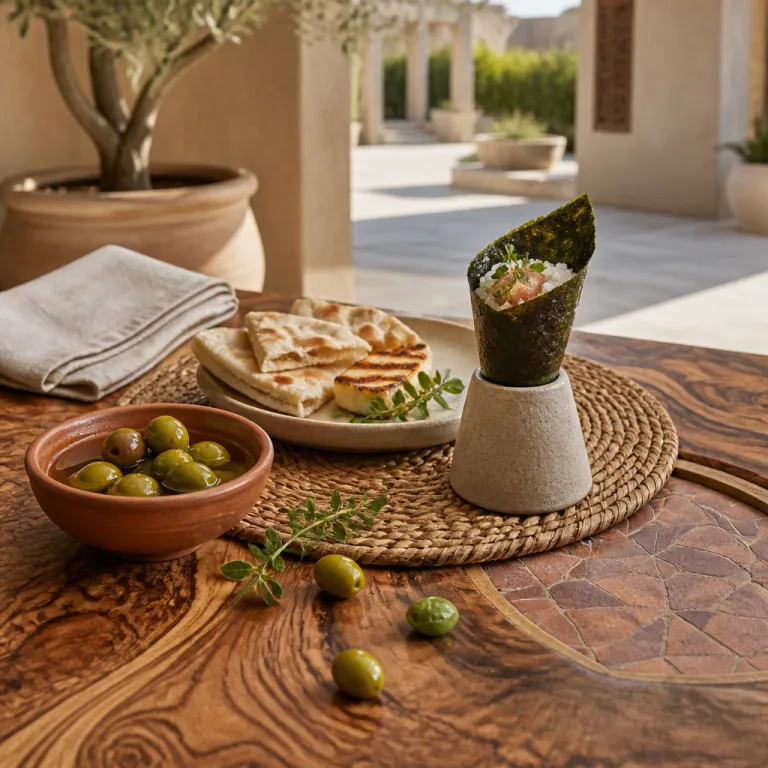
The sharpest expression of dubai hotel restaurants dining trends 2026 is the rise of Japanese temaki and handroll counters inside hotels. Japanese cuisine has become one of the fastest growing restaurant categories in the city, and that momentum is clearest in compact dining rooms where ten or twelve diners sit shoulder to shoulder at a counter. For solo travelers, these restaurants turn what could be an anonymous hotel evening into an intimate dining experience built around direct dialogue with the chef.
Neha Mishra, chef-founder of Kinoya and Teible’s ramen pop-ups, and Tom Arnel, chef-entrepreneur behind The Guild and the EatX group, embody this shift from oversized concepts to focused kitchens with strong culinary identity.23 Their work in Dubai’s hotel-linked developments shows how a single head chef can define a restaurant’s menu, from the first piece of Japanese handroll to the last spoon of sesame ice cream. In late 2023, for example, Kinoya’s collaboration at a Business Bay hotel introduced a ten-course omakase-style ramen and handroll menu that sold out weekend seatings for months, underlining how chef-led counters now anchor serious hotel dining.
These Japanese-inspired hotel restaurants also align with a wider regional move towards homegrown concepts, which a recent Dubai Hospitality Report associates with roughly a 20% increase in hotel restaurant patronage over the past few years.4 For the solo explorer comparing the best restaurants across Dubai and Abu Dhabi, that report is more than a statistic; it is a roadmap to where the most interesting dining trends are unfolding. If you are planning a longer regional journey, pairing these focused hotel counters with international stays covered in our global luxury hotel dining insights creates a coherent, food-led itinerary.
Plant forward menus, protein counter trends and the new timing of luxury dining
Another defining element of dubai hotel restaurants dining trends 2026 is the quiet normalisation of plant-forward menus in luxury properties. What began as a token vegan page has evolved into full tasting menus where vegetables, grains and high quality olive oil carry as much weight as wagyu or bluefin. For solo diners booking through a UAE-focused platform, this means you can filter hotels not just by spa or pool but by how seriously the restaurant treats plant-based food.
At the same time, a protein-focused counter trend runs through the dining scene, especially in grill rooms and beach house concepts along Palm Jumeirah and Abu Dhabi’s canary beach-style stretches. Here, the best restaurants balance charred meats and seafood with lighter sides, allowing diners to move between plant-forward lunches and protein-rich dinners within the same hotel stay. This duality is a strong sign of maturity in Dubai dining, where restaurants no longer chase every passing fad but choose a clear lane and execute it with discipline.
Timing is shifting as well, with the “home by eleven” preference changing how hotel restaurants structure service for both residents and visitors. Many properties now open earlier for dinner, offer shorter tasting menus and design bar-adjacent dining rooms where a solo guest can finish a full meal before midnight without feeling rushed. Long-stay guests, a group explored in depth in our analysis of why long stay luxury works in the UAE, benefit most from this flexibility, building a weekly rhythm of dining experiences that match work, wellness and social media–free evenings.
Counters, lobbies and why solo diners now lead the dubai dining conversation
Counter service in hotel lobbies has become one of the most interesting dubai hotel restaurants dining trends 2026, and solo travelers sit at the centre of that shift. An open kitchen in a lobby-level restaurant turns transit space into a stage where the chef, the food and the diners share the same view of the city. For a guest arriving late from Abu Dhabi or post-Dubai meetings, sliding onto a counter stool feels less like eating alone and more like joining a temporary culinary community.
These lobby counters often serve concise menus built around Japanese handrolls, Middle Eastern small plates or Filipino dishes that finally claim space in the UAE’s hotel dining scene. Filipino cuisine, long present in the city’s workforce, now appears in adobo-glazed wings, kinilaw crudo and halo-halo style ice cream desserts that sit comfortably beside more familiar Mediterranean plates. When a hotel gives such dishes prime placement, it signals a broader respect for the region’s full culinary identity, not just its export-ready flavours.
For booking platforms like myuaestay.com, this means the definition of fine dining inside hotels has expanded beyond white tablecloths and multi-hour tasting menus. A counter with twelve seats and a focused menu can now rank among the best restaurants in a property, especially for solo diners who value conversation with the head chef over a distant city view. Long term, this rebalancing of space and status will likely influence which restaurants survive, as guests reward places where the dining room feels genuinely social rather than theatrically grand.
Beach houses, social media and the quiet power of local flavour
Along the shoreline, dubai hotel restaurants dining trends 2026 play out in beach house concepts that stretch from Palm Jumeirah to Abu Dhabi’s quieter waterfronts. Places near Vista Mare or similar promenades now blend Mediterranean grilled food, Japanese-influenced crudo and Emirati touches into all-day dining experiences that move seamlessly from late breakfast to sunset aperitivo. For solo travelers, these restaurants offer a rare combination of relaxed atmosphere, serious cuisine and a front row seat to the changing dining scene.
Some properties experiment with playful names and collaborations, from three-bros style burger pop-ups to ice cream carts that rotate regional flavours beside global classics. Yet the most successful beach house restaurants share one trait: they treat local ingredients and producers as the foundation of the menu rather than a garnish. As one industry Q&A neatly summarises the shift, “There’s a shift towards local flavors and homegrown concepts,” a sentiment echoed across recent hospitality panels and trade interviews.5
Social media still shapes where many guests choose to eat, but the algorithms now reward more than just a dramatic city view or a neon sign above the bar. Posts that travel furthest tend to show chefs plating at the pass, diners leaning into conversation at the counter and menus that change with the seasons rather than with marketing campaigns. If you want to track which hotel restaurants are quietly slashing prices or offering strong value tasting menus during the hotter months, our guide to summer prix fixe hotel dining in Dubai is a practical starting point for planning.
How to use dubai hotel restaurants dining trends 2026 when booking your next stay
For a solo explorer using a luxury and premium hotel booking website in the UAE, dubai hotel restaurants dining trends 2026 should sit beside room size and location in your decision making. Start by mapping the dining scene around your preferred city district, then shortlist hotels whose restaurants show a clear culinary identity rather than a generic international menu. Look for properties that host Japanese counters, plant-forward fine dining or beach house concepts with serious food, as these usually indicate a stronger overall commitment to hospitality.
Next, read beyond the headline claims of best restaurants and focus on how each hotel describes its dining room, its head chef and its sourcing philosophy. Mentions of local farmers, sustainable seafood and regional olive oil are strong signs that the restaurant is aligned with the broader UAE shift towards authenticity. Cross-reference this with recent report summaries from tourism and hospitality boards, which often highlight where hotel restaurant patronage is growing fastest and which neighbourhoods are emerging as dining hubs.
Finally, consider your own rhythm as a traveler and choose hotels whose dining experiences match how you actually eat, not how marketing images suggest you should. If you prefer early dinners and shorter tasting menus, prioritise properties that embrace the “home by eleven” trend and offer counter seating for walk-ins. When you align your booking with these dining trends, the hotel becomes more than a place to sleep; it turns into a curated base for exploring Dubai, Abu Dhabi and the wider UAE through food, one focused restaurant at a time.
FAQ: dubai hotel restaurants dining trends 2026
How have Dubai hotel restaurants changed in recent years ?
Dubai hotel restaurants have shifted from large, concept-heavy venues towards more focused kitchens with clear culinary identity and stronger local influences. Many properties now highlight regional ingredients, collaborate with homegrown chefs and integrate Japanese counters, plant-forward menus and Filipino dishes into their offerings. This evolution has increased hotel restaurant patronage and made dining a primary reason to choose specific hotels, according to recent hospitality reports and DET briefings.14
What are some notable homegrown restaurants in Dubai hotels ?
Kinoya’s ramen bar collaborations, The Guild in ICD Brookfield Place and concepts from the EatX portfolio are frequently cited as leading examples of homegrown brands operating within or alongside major Dubai hotel developments.23 These restaurants emphasise Japanese precision, contemporary design and menus that balance comfort dishes with more adventurous plates. Their presence signals a hotel’s commitment to serious dining rather than purely marketing-driven concepts.
Why are Dubai hotels focusing more on local cuisine and ingredients ?
Hotels in Dubai and across the UAE are embracing local cuisine to offer more authentic dining experiences and to support the regional economy. By working with local farmers, fishers and producers, restaurants can showcase ingredients that genuinely reflect the city and its surroundings. This approach also differentiates hotel restaurants from international chains that rely on standardised menus and helps align with sustainability targets highlighted in tourism strategy documents.1
Are plant forward menus now standard in luxury hotel restaurants ?
Plant-forward menus have moved from niche to near standard in many luxury hotel restaurants in Dubai. Guests increasingly expect serious vegetarian and vegan options, not just token dishes, and hotels respond with full tasting menus built around vegetables, grains and high quality olive oil. This trend coexists with protein-focused grills, giving diners more flexibility across multiple meals during a stay and reflecting broader global wellness priorities.
How can solo travelers make the most of Dubai’s hotel dining scene ?
Solo travelers should prioritise hotels with counter seating, open kitchens and smaller restaurants where interaction with chefs and fellow diners feels natural. Booking platforms that highlight detailed restaurant information, including head chef profiles and menu style, help narrow the options. Choosing properties near vibrant dining districts such as Palm Jumeirah, Downtown Dubai or Dubai Creek Harbour allows solo guests to treat the hotel as a base for exploring multiple restaurants across the city.
References
- Dubai Department of Economy and Tourism (2024), annual tourism and hospitality performance summary. Figures cited are based on publicly reported hotel F&B integration data and can be cross-checked against the DET hospitality dashboard and associated PDF downloads.
- Neha Mishra, Kinoya: interviews and chef talks in regional food media (2022–2023), including commentary on ramen, izakaya-style dining and hotel-linked collaborations in Dubai.
- Tom Arnel, The Guild / EatX Group: 2023 press materials and panel discussions outlining the move towards chef-led, experience-focused dining rooms in Dubai’s hotel districts.
- Dubai Hospitality Report 2023, sector analysis of hotel restaurant performance and the growth of homegrown concepts in the UAE, with specific sections on F&B revenue and patronage trends.
- Curated insights from UAE hospitality Q&A sessions and panel discussions (2023) highlighting the shift towards local flavours and homegrown brands, as quoted in trade and industry publications.