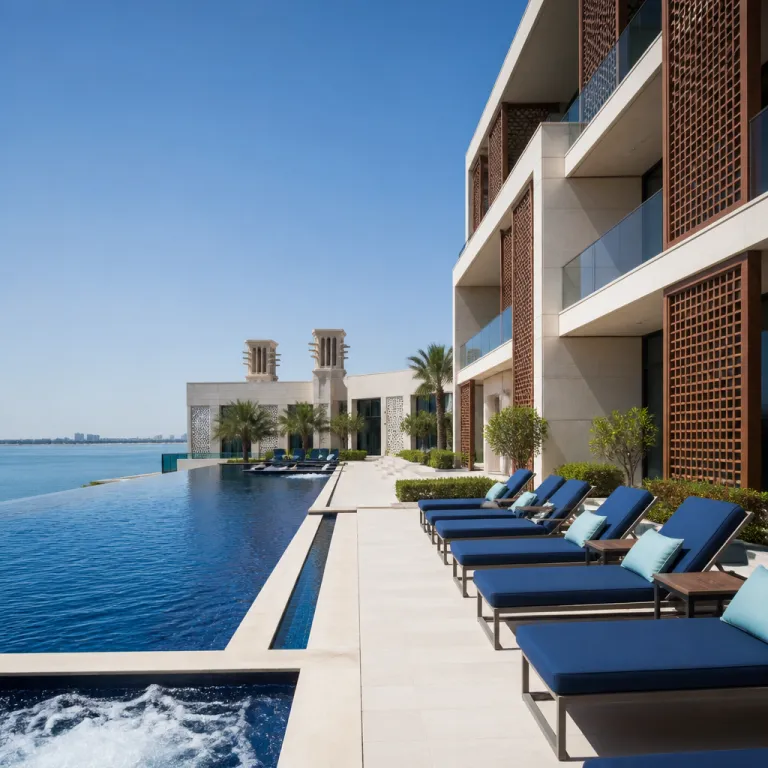
Sharjah hotels and the rise of a cultural destination beyond the skyline race
Sharjah is the one emirate where a hotel stay feels anchored in culture rather than spectacle. While the neighbouring city of Dubai keeps stretching higher and Abu Dhabi keeps building larger, the quieter emirate of Sharjah has been investing in museums, heritage quarters and waterfront promenades that turn overnight stays into curated cultural journeys. For luxury travelers planning a trip, this shift is transforming Sharjah hotels into a genuine cultural destination that rivals the region’s flashier cities without copying them.
The Sharjah Commerce and Tourism Development Authority (SCTDA), chaired by Khalid Jasim Al Midfa, has treated hospitality as a central tool for cultural tourism growth rather than just another real estate play. Their strategy combines cultural festivals, museum expansions and heritage site restorations with new hotel developments, which means your next stay in the cultural capital is likely to sit within walking distance of a major gallery or restored courtyard house. That alignment between hotel keys and cultural assets is why Sharjah hotels as a cultural destination in the Gulf are now on every serious traveler’s list of places to visit, a trend reflected in SCTDA releases and Sharjah24 coverage of recent tourism figures.
Recent tourism data from SCTDA underline how quickly the emirate is changing, with an 11 percent rise in hotel guests in 2023 compared with the previous year and a forecast 38 percent surge in tourism by 2025, figures that would be remarkable for any city, let alone one long overshadowed by its neighbours. These numbers, reported in Sharjah24 and regional outlets such as ETTravelWorld, are not driven by mass market resort packages but by travelers seeking culture, history and heritage in a setting that still feels authentically Emirati. For Sharjah travel planners and luxury hotel bookers, the question is no longer whether the emirate will host discerning guests, but how to curate stays that connect them to the most meaningful cultural experiences in the shortest possible time.
From heritage quarter to museum mile: where culture shapes the stay
The Heart of Sharjah project has quietly turned the old city core into the most compelling cultural quarter in the emirate. Here, restored coral stone houses, shaded sikkas and traditional souqs create a walkable district where luxury hotels sit beside museums, calligraphy centres and performance spaces rather than shopping malls. Properties such as The Chedi Al Bait, Sharjah, for example, weave guest rooms into former merchant homes, so that corridors double as heritage passages. For travelers used to the vertical drama of Dubai or the monumental scale of Abu Dhabi, this human scale feels like a reset in both pace and perspective.
Sharjah’s museum district, anchored by the Sharjah Museum of Islamic Civilization and the Sharjah Art Museum, has effectively become a museum mile for the emirate, and Sharjah hotels nearby now market direct access to these institutions as a primary amenity. When you can step out of a lobby and reach a world class cultural site in under ten minutes on foot, the boundary between hotel and destination blurs in the best possible way. That proximity also makes it easier to plan a budget friendly cultural trip, because you spend less time and money on transfers and more time inside galleries and heritage houses, even if public transport options remain more limited than in some larger capitals.
Al Noor Island adds another layer to this cultural capital narrative, pairing a butterfly house and sculpture garden with a mangrove edged boardwalk only a short drive from the central city. For solo explorers, this is where travel inspiration often strikes, as you move from contemporary art installations to quiet reading corners with views back to the skyline of Sharjah. Anyone researching travel safety in the wider region will find that the same emphasis on family oriented public spaces which shapes Al Noor Island also underpins the emirate’s broader approach to cultural destinations, a useful contrast to more nightlife driven Gulf cities and a reminder that evenings tend to wind down earlier here than in neighbouring hubs.
Sharjah Art Foundation, biennales and hotels that think like galleries
The Sharjah Art Foundation has become the emirate’s most influential cultural export, and its biennale now draws curators, artists and collectors who might once have limited their Gulf itineraries to Abu Dhabi and Doha. During these periods, Sharjah hotels effectively turn into satellite venues, hosting talks, private viewings and informal salons that stretch late into the night in courtyards and rooftop lounges. Boutique properties near the arts district, including heritage style guesthouses and design led hotels, often curate parallel programmes so that, for a solo traveler, booking the right property during an art season can feel like buying an all access pass to the global contemporary art conversation.
Even outside headline events, the foundation’s residency programmes and year round exhibitions keep a steady flow of creative visitors moving through the city, and hotels have responded by commissioning site specific works, curating in house libraries and training concierges as cultural fixers rather than just restaurant bookers. This is where the concept of heritage as a selling point stops being a slogan and becomes a competitive edge, as properties that engage seriously with local culture consistently outperform generic luxury competitors. For travelers comparing Sharjah travel options with other Gulf destinations, that depth of engagement often matters more than another infinity pool or larger suite, even if it also means accepting that some hotels prioritise intimate scale over vast resort style facilities.
Sharjah’s designation as a cultural capital within the United Arab Emirates, supported by UNESCO linked initiatives and local cultural organisations, has also encouraged international travel agencies to package the emirate as a standalone cultural destination rather than a day trip from Dubai. That repositioning changes how luxury and premium hotel booking platforms present the city, shifting Sharjah hotels from “overflow” inventory to headline acts in their own right. For travelers who track how UAE hotels turn culture into a competitive edge, Sharjah now sits alongside Abu Dhabi’s desert retreats and Dubai’s design forward towers as one of the top places for culture led stays in the region, even though peak cultural seasons can strain room availability.
Value, access and atmosphere: why luxury feels different in Sharjah
For travelers used to Dubai’s rate sheets, the first surprise in Sharjah is value. Comparable luxury rooms and suites often price 30 to 50 percent lower than similar properties in the neighbouring city, even when they share the same international brand. That price differential means a solo explorer can upgrade to a higher room category, extend the duration of a trip or allocate more budget to private cultural experiences without pushing beyond a comfortable spend, especially at waterfront hotels such as Sheraton Sharjah Beach Resort & Spa or DoubleTree by Hilton Sharjah Waterfront Hotel & Residences.
Access is the second advantage, because the emirate of Sharjah sits only around 20 minutes by road from central Dubai yet feels like a different world in terms of atmosphere. Where Dubai leans into nightlife and spectacle, Sharjah’s public spaces, waterfronts and cultural venues are calibrated for families, students and residents who treat the city as a living campus of culture and heritage. For travelers who want to pair a spa weekend in Abu Dhabi with a quieter cultural interlude, it is increasingly common to route a trip through Sharjah on the same itinerary, especially when planning stays that go beyond the standard hammam experience, though traffic between emirates at peak times can lengthen transfer journeys.
Atmosphere is the final differentiator, and it is harder to quantify but immediately felt when you arrive at a central resort or waterfront hotel in the cultural capital. The call to prayer carries clearly over the creek, cafés close earlier, and the rhythm of the city encourages early morning museum visits rather than late night club hopping. For many guests, especially those coming from Saudi Arabia or other Gulf states, that alignment with local culture and heritage feels more authentic and more sustainable over time than the high intensity pace of other destinations, even if it means fewer late opening venues and a more seasonal pattern of outdoor activity during the hotter months.
Designing a culturally rich stay: how to choose the right Sharjah hotel
Choosing the right property in Sharjah starts with mapping your cultural priorities rather than chasing the newest opening. If your focus is history and heritage, look for hotels within walking distance of the Heart of Sharjah, where restored merchant houses, souqs and museums cluster along narrow lanes. This central area allows you to structure each day around a different theme, from Islamic art to maritime history, without spending half your time in transit, although availability in the most atmospheric heritage style properties can be tight during major festivals.
Travelers who prioritise contemporary culture and design should consider hotels near the Sharjah Art Foundation and the surrounding arts district, where galleries, performance spaces and cafés create a compact creative ecosystem. Here, the best luxury properties act almost like informal residency hubs, connecting guests to curators, artists and cultural events that might not appear on a standard tourism list. When a biennale or major festival will host international visitors, these hotels often become fully booked months in advance, so planning early is essential if you want to secure specific room types or views.
If you prefer a resort style stay with easy access to both city and sea, the newer waterfront developments along the corniche and out toward Al Khan offer a different balance of amenities. These properties typically combine pools, spas and beach access with shuttle services to key cultural destinations, making them ideal for travelers who want a softer landing into the emirate’s culture. For solo explorers, this mix of resort comfort and curated cultural access can turn a simple Sharjah travel booking into a layered trip that feels both restorative and intellectually engaging, provided you factor in slightly longer transfer times to the historic core.
Practical guidance for luxury and premium bookings in the cultural capital
For travelers using specialist booking services, the most effective way to approach Sharjah hotels as a cultural destination is to think in terms of experiences rather than just room categories. Start by defining whether your trip is anchored in a specific event, such as an art biennale or literary festival, or whether you are building a slower itinerary around museums, heritage sites and waterfront walks. Once that framework is clear, you can filter properties by proximity to your key venues and by the depth of their cultural programming, asking agents to flag hotels that host talks, tours or artist led activities.
Sharjah’s tourism authorities emphasise that “museums, heritage sites, and cultural festivals” are the core of the emirate’s offer, and that an “11% rise in hotel guests in 2023” and a projected “38% increase in tourism by 2025” are shaping future demand, according to SCTDA and regional travel industry reports. These statements are not marketing slogans but operational realities that affect availability, pricing and the overall rhythm of the city across the year. When cultural tourism rises this quickly, the best luxury and premium properties tend to sell out around major events, so early booking through a specialist platform becomes less a convenience and more a necessity, particularly for travelers who prefer suites or interconnecting rooms.
Respecting local customs is also part of the luxury equation in this emirate, because true high end hospitality in Sharjah means aligning with the culture rather than bending it. Dress codes in public areas, alcohol policies and expectations around public behaviour are different from those in some neighbouring destinations, and the best hotels brief guests clearly so that their time in the city feels both comfortable and respectful. For solo travelers comparing Sharjah with Saudi Arabia, Abu Dhabi or other Gulf destinations, that combination of cultural clarity, strong safety records and rapidly improving hotel infrastructure makes the emirate one of the most compelling cultural capitals for a thoughtfully planned stay, even if it rewards visitors who are willing to adapt to local norms.
Key figures behind Sharjah’s cultural hotel momentum
- Sharjah recorded around 1.5 million hotel guests in 2023, according to Sharjah24 coverage of SCTDA statistics, a base that underpins the viability of new luxury and premium properties across the emirate.
- The emirate has seen an 11 percent increase in hotel guests compared with the previous year, signalling strong demand for stays linked to culture, heritage and museum visits rather than only business travel.
- Tourism authorities project a 38 percent surge in overall tourism by 2025, a growth rate that places Sharjah among the fastest rising cultural destinations in the region, as reported by ETTravelWorld and local media.
- Sharjah’s cultural tourism strategy combines festivals, museum expansions and heritage restorations with digital marketing campaigns and international partnerships, creating a diversified pipeline of visitors rather than reliance on a single source market.
- The city’s position roughly 20 minutes by road from central Dubai allows travelers to pair stays in both emirates on one trip, often accessing luxury rooms in Sharjah at significantly lower nightly rates than comparable Dubai properties, although road congestion at peak times can extend that journey.
FAQ about Sharjah’s cultural hotels and tourism
What cultural attractions does Sharjah offer near major hotels ?
Sharjah’s main hotel districts sit close to a dense cluster of cultural attractions, including the Heart of Sharjah heritage quarter, the Sharjah Museum of Islamic Civilization, the Sharjah Art Museum and Al Noor Island. Many luxury and premium properties are within a short walk or a brief taxi ride of these sites, allowing guests to structure each day around museums, galleries and restored historic houses. This proximity is a key reason why Sharjah hotels are increasingly marketed as gateways to a cultural destination rather than just places to sleep, even if visitors may still rely on taxis or hotel shuttles rather than metro style public transport.
How has Sharjah’s tourism grown recently and what does it mean for bookings ?
Sharjah has recorded an 11 percent rise in hotel guests alongside a projected 38 percent increase in overall tourism, driven largely by interest in culture, heritage and family friendly attractions. For travelers, this growth means that peak periods around art biennales, book fairs and major festivals now see higher occupancy and firmer pricing at top hotels. Booking early through a specialist platform is advisable, especially if you want specific room types or properties in the most central cultural districts, because capacity in heritage quarters and waterfront areas is still catching up with demand.
Is Sharjah focusing on sustainable and culture led tourism ?
Tourism authorities in the emirate have explicitly positioned Sharjah as a culture and sustainability focused destination, prioritising museum development, heritage site restoration and community based festivals over purely entertainment driven projects. This approach aims to preserve the city’s historic fabric while diversifying the economy through tourism, creating long term value for residents and visitors. For hotel guests, it translates into stays that feel more rooted in local culture, with easier access to authentic neighbourhoods and fewer purely transactional attractions, though it also means the nightlife scene remains deliberately understated.
How does Sharjah compare with Dubai and Abu Dhabi for luxury stays ?
Dubai excels at high rise glamour and nightlife, while Abu Dhabi offers large scale museums and desert resorts, but Sharjah positions itself as the UAE’s cultural capital with a quieter, more family oriented atmosphere. Luxury and premium hotels in Sharjah often price below comparable properties in the other two emirates, yet they sit closer to heritage quarters, museums and waterfront promenades that prioritise culture over spectacle. For travelers who value art, history and a slower pace, Sharjah can be the most rewarding base, with easy day trip access to both neighbouring cities, provided you plan around peak hour traffic between emirates.
What should travelers know about local customs when staying in Sharjah hotels ?
Sharjah follows more conservative social norms than some neighbouring destinations, and guests are expected to dress modestly in public areas, especially around heritage sites and religious buildings. Alcohol availability is more restricted than in Dubai or Abu Dhabi, and public displays of affection are discouraged, which contributes to the emirate’s strongly family oriented atmosphere. Leading hotels brief guests clearly on these expectations, ensuring that stays remain comfortable, respectful and aligned with the cultural values that underpin Sharjah’s identity as a heritage focused destination, while still offering high levels of service and contemporary comfort.