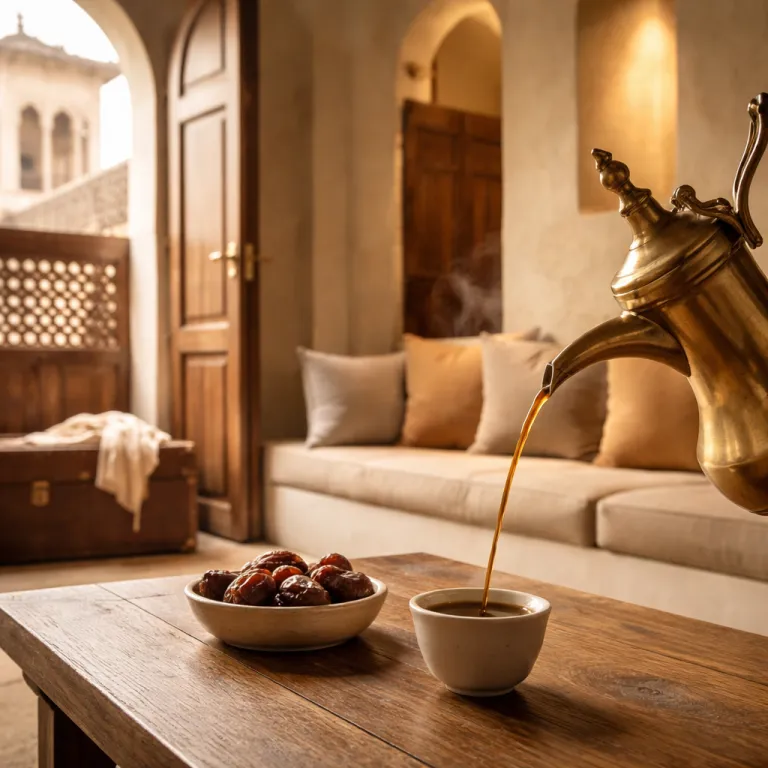
Why heritage hotels along Dubai Creek change how families see the city
Staying in a heritage hotel near Dubai Creek and Al Fahidi reshapes how you read the city’s skyline. When your hotel in Dubai sits inside a restored coral stone house rather than a glass tower, every walk to the Dubai abra station becomes part of the story. Families who usually book a large resort in Dubai often find that a stay here feels more like borrowing a neighbourhood than renting a room.
Al Fahidi in Bur Dubai is one of the few places where heritage is not a themed backdrop but the actual urban fabric, with narrow lanes, wind towers and traditional courtyards preserved under Dubai Municipality’s long-running programme. The district sits on the southern bank of Dubai Creek, opposite Deira and close to the Dubai Museum, the gold souk and the textile souk, so children can walk between real Middle Eastern trading streets instead of moving only between malls. For premium families based in the United Arab Emirates, that proximity to lived history often matters more than another infinity pool or another oversized lobby.
Within this compact grid of alleys you now find a small cluster of creekside boutique stays, each one carved out of a former merchant house or a newly built Al Seef heritage-style structure along the water. These traditional hotels around Dubai Creek and Al Fahidi keep the historic silhouettes and materials, then quietly layer in modern amenities such as air conditioning, Wi‑Fi and high-pressure showers. The result is a kind of art hotel experience where the architecture does most of the talking, while the hotel teams focus on discreet service and thoughtful touches for both adults and younger guests.
Al Seef Heritage Hotel by Hilton: creekfront lanes built for wandering
Al Seef Heritage Hotel Dubai, Curio Collection by Hilton, is the anchor for families who want an old-Dubai setting with the reassurance of an international brand. According to Hilton’s own description, the property stretches along the Al Seef waterfront, with clusters of low-rise buildings that echo traditional Arabian architecture rather than compete with the towers across the water. You do not get a single monolithic hotel block here; you get a stitched-together village of rooms, squares and shaded sikkas.
Rooms are spread across several Al Seef heritage-inspired houses, so your stay feels residential, almost like having a private house key in a reimagined souk. Each room offers carved wooden doors, patterned textiles and traditional lamps, then balances them with modern amenities such as strong air conditioning, good mattresses and well-designed bathrooms. Families can check into connecting rooms or larger configurations, and the hotel offers cots and extra beds so that children sleep close without everyone sharing one room.
The Hilton Dubai team leans into the sense of place rather than fighting it, so you will not find a generic international buffet but you will find Arab dishes, Middle Eastern snacks and creek views that frame every meal. Step outside and you are on the promenade, where the Dubai Creek abras cross to Deira and where the skyline of Dubai feels comfortably distant yet always visible. One guest we spoke to described walking out after dinner to “the smell of cardamom in the air and the sound of wooden hulls creaking on the water,” a reminder that trade still shapes this waterfront. This is also a strong base for exploring the evolving shoreline, including the quieter new developments further east toward Dubai Creek Harbour, which we cover in depth in our guide to Dubai Creek Harbour’s next generation waterfront hotels.
XVA Art Hotel and Ahmedia Heritage Guest House: intimate courtyards, serious character
For travellers who want historic accommodation around Dubai Creek and Al Fahidi to feel even more intimate, the XVA Art Hotel and Ahmedia Heritage Guest House offer smaller-scale stays with strong personalities. XVA Art Hotel occupies a traditional courtyard house deep inside the Al Fahidi lanes, where nine artist-designed rooms sit around a shaded central space. The XVA art gallery and café turn the property into a living art hotel, so your children might move from breakfast to a painting workshop without ever leaving the house.
Ahmedia Heritage Guest House sits closer to the gold souk side of Dubai Creek, technically nudging toward Deira but still part of the same historical conversation. This restored guest house blends traditional Arabian architecture with modern amenities, so you sleep under wooden beams yet still enjoy air conditioning, Wi‑Fi and comfortable beds. Both properties keep facilities compact, but each room offers a strong sense of place, and the shared courtyards become natural meeting points where guests trade tips on which abra to take or which alley leads fastest back to Bur Dubai.
Parents used to large resorts in Dubai sometimes worry about limited facilities, but the trade-off is a richer street life right outside the door. Instead of a kids’ club, you have the Dubai Museum, the textile souk and the Dubai abra stations as your playground, and the staff can help you check timings or book a private boat if needed. For those planning an off-season stay, pairing a few nights here with a more resort-focused break elsewhere in the city works well, especially if you follow our advice on off-season luxury on your own terms in Dubai.
What “heritage” really means here: architecture first, amenities quietly layered in
In the historic hotels around Dubai Creek and Al Fahidi, the word heritage is not a marketing adjective pinned onto a standard tower. It refers to the actual fabric of the buildings, from coral stone walls and gypsum plaster to wind towers that once cooled each house before air conditioning arrived. When you book a stay here, you are choosing architecture and urban scale as your primary amenities, with everything else designed around that choice.
Rooms in these converted merchant houses tend to be smaller than in a typical resort hotel Dubai travellers might know from the Palm or Jumeirah Beach, but they compensate with high ceilings, thick walls and courtyards that act as shared living rooms. Many rooms offer traditional wooden mashrabiya screens, heavy doors and patterned floors, then layer in modern comforts such as rain showers, good lighting and reliable Wi‑Fi. Facilities hotel-wide are intentionally modest, often limited to a café, a small restaurant and perhaps a library or gallery space, because the real facilities are the lanes, the souks and the creek itself.
Families should check their priorities before they book, because you will not find beach access, rooftop pools or sprawling kids’ clubs in this part of Bur Dubai. What you do get is immediate access to the Dubai abra network, short walks to the gold souk and textile souk, and easy visits to the Dubai Museum and Al Shindagha Museum across the water. For active days in the sun or more resort-style facilities, you can always combine this with a stay elsewhere in the United Arab Emirates, such as the active luxury playground we review on Hudayriyat Island in Abu Dhabi.
Family logistics: getting there, moving around and balancing old and new Dubai
From Dubai International Airport to the Al Fahidi and Dubai Creek heritage area, the transfer is short, usually around 15 to 20 minutes by taxi depending on traffic, according to typical journey times on Dubai’s official RTA journey planner. That proximity makes it easy for families arriving late at night to check in quickly, settle children into their rooms and start their stay without a long highway drive. Once you are based in Bur Dubai, most of the key heritage sites sit within a radius of roughly 500 to 800 metres, so even younger children can manage the walks.
The Dubai abra system is the real transport highlight here, with traditional wooden boats shuttling guests across Dubai Creek for around AED 1 to AED 2 per ride on standard routes, as confirmed by Dubai’s Roads and Transport Authority fare tables. Parents can stand with children at the rail and point out the contrast between the low-rise Al Seef-style buildings on one side and the glass towers of modern Dubai on the other. For longer trips to the beach, Dubai Marina or even out toward Ras Al Khaimah for a day trip, taxis and ride-hailing apps remain the most practical option, and hotel staff can help you book or check estimated journey times.
Inside the district, the lack of heavy traffic and the human-scaled lanes are part of the appeal for premium families. You can let older children walk a few steps ahead between your heritage hotel and the nearest café, or send a teenager to pick up snacks from a small shop without worrying about multi-lane roads. When you want to reconnect with the city’s more futuristic side, the metro stations in Bur Dubai and the wider Dubai road network keep you plugged into malls, theme parks and newer waterfronts within roughly 20 to 30 minutes.
What is not included – and why that absence makes the stay richer
Choosing a traditional stay around Dubai Creek and Al Fahidi means accepting that some classic resort check boxes will remain unticked. You will not find private beaches, water slides or vast spa complexes attached to these properties, and the facilities hotel teams provide are intentionally restrained. For many premium families in the United Arab Emirates, that restraint is exactly what makes a stay here feel refreshing.
Instead of a daily race to the breakfast buffet, mornings start quietly in a courtyard or on a shaded terrace, with Arab coffee, fresh bread and the sound of prayer calls drifting across Dubai Creek. Children swap water parks for Dubai abra rides, gold souk explorations and visits to the Dubai Museum, where they can see how a trading post grew into the Dubai they know from skyscraper postcards. Parents trade rooftop bars for evening walks along Al Seef, where the lights of Deira reflect on the water and the silhouettes of dhows remind you that trade, not tourism, built this city.
Dining options lean toward local cafés, small restaurants and hotel courtyards rather than celebrity chef venues, but that suits the neighbourhood scale. You might eat grilled fish one night near the creek, then try Middle Eastern mezze in your heritage hotel the next, with staff happy to suggest where to book or which house speciality to try. The absence of spectacle leaves more room for conversation, and by the time you check out, most guests feel they have stayed in a living quarter of old Dubai rather than in a sealed-off resort compound.
How these stays fit into a wider UAE itinerary
For families planning a longer trip across the Arab Emirates, heritage accommodation around Dubai Creek and Al Fahidi works best as the opening or closing chapter. Start with two or three nights here to ground children in the story of Dubai Creek before moving on to a beach resort, a desert camp or even a mountain retreat in Ras Al Khaimah. Alternatively, end your journey here so that the last memory of Dubai is of wind towers and abra rides rather than only of malls and highways.
Because the area is compact, you can comfortably visit the gold souk, textile souk, Dubai Museum and several small galleries within a couple of days, leaving time for a day trip to modern districts. Many guests split their stay between a heritage hotel and a larger Hilton or similar property elsewhere in Dubai, using the first for culture and the second for pools and kids’ clubs. However you structure it, the key is to book early, especially during school holidays, because the number of rooms in these heritage properties is limited by design.
Key figures: heritage stays around Dubai Creek and Al Fahidi
- There are currently fewer than 15 heritage-focused hotels and guest houses operating within or immediately around the Al Fahidi Historical District in Bur Dubai, reflecting a deliberate choice to preserve scale rather than flood the area with new rooms (based on Lonely Planet’s coverage of Al Fahidi Historic District and Dubai Department of Economy and Tourism listings at the time of writing).
- The Al Fahidi neighbourhood began taking shape in the early twentieth century as Persian merchants built coral stone houses along Dubai Creek, and later restoration efforts turned several of these houses into heritage-style accommodation (context from Lonely Planet’s historical overview of the district and Dubai Culture’s documentation of Al Fahidi).
- Heritage accommodation in this area typically offers room counts in the tens rather than the hundreds, with many properties ranging from roughly 10 to 200 keys, which keeps guest numbers lower and allows courtyards, lanes and shared spaces to remain calm even at full occupancy, according to hotel fact sheets.
- Walking distances between most historic hotels near Dubai Creek and key sites such as the Dubai Museum, the textile souk and the main Dubai abra stations usually range between roughly 300 and 800 metres, a figure that aligns with common visitor maps and on-the-ground wayfinding signs, making the area particularly manageable for families with children.
FAQ: staying in heritage hotels around Dubai Creek and Al Fahidi
What is Al Fahidi best known for ?
Al Fahidi is known for its historical architecture and cultural significance. The district preserves traditional wind-tower houses, narrow lanes and courtyard homes that predate the modern skyline of Dubai. Staying in a heritage hotel here places you inside that preserved fabric rather than viewing it from a distance.
Do heritage hotels in Al Fahidi offer modern amenities ?
Are there modern amenities in Al Fahidi's heritage hotels? Yes, heritage hotels in Al Fahidi offer modern amenities. While the exteriors and layouts remain traditional, rooms usually include air conditioning, contemporary bathrooms, Wi‑Fi and comfortable bedding, so families do not have to compromise on basic comfort.
How can I book a stay in Al Fahidi’s heritage hotels ?
How can I book a stay in Al Fahidi's heritage hotels? You can book online through hotel websites or contact them directly. Many properties also appear on major booking platforms, but for specific room requests or connecting rooms, direct contact with the hotel often yields better clarity.
Is this area suitable for families with young children ?
The Al Fahidi and Dubai Creek area suits families well because streets are narrow, traffic is limited and most attractions sit within short walking distance. Children usually enjoy the Dubai abra rides, the Dubai Museum and the sensory overload of the gold souk more than another enclosed kids’ club. Parents should still supervise closely in busy souks and along the creek edge, but overall the environment feels more human-scaled than many newer districts.
How does staying here compare with a beach resort in Dubai ?
Heritage stays around Dubai Creek and Al Fahidi offer immersion in history, walkable streets and proximity to cultural sites, while beach resorts deliver direct sea access, large pools and extensive leisure facilities. Many premium families in the United Arab Emirates choose to combine both, starting with a few nights by the creek before moving to a beachfront hotel Dubai side for the rest of the stay. This split approach balances culture and relaxation without forcing a compromise on either side.