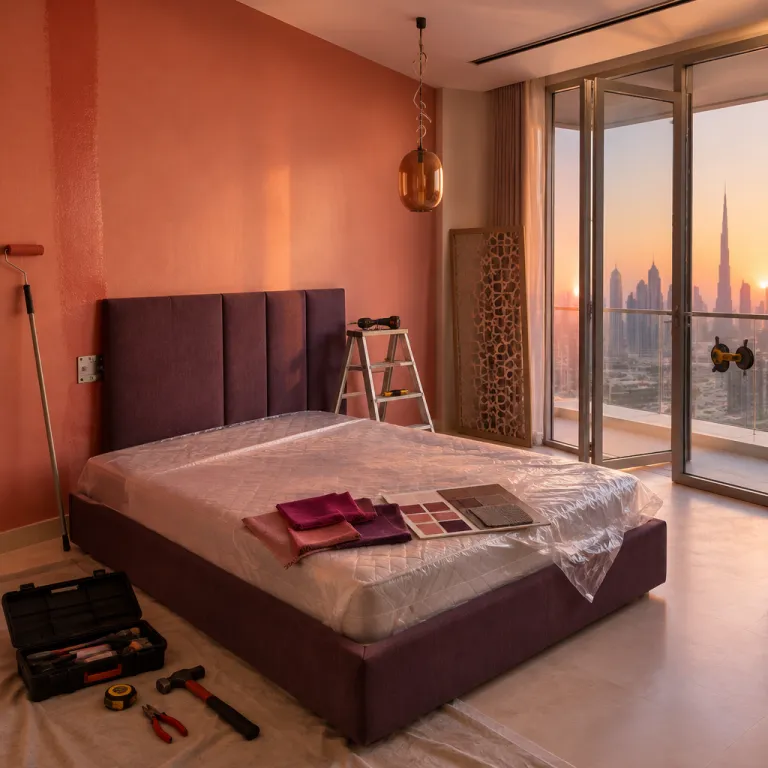
From gold leaf to quiet luxury: how hotel room design trends in UAE renovation are evolving
The latest wave of hotel room design trends in UAE renovation is less about spectacle and more about how you sleep, breathe and move. In Dubai and Abu Dhabi, a luxury hotel now wins loyalty when its room design quietly improves every hour of a guest stay, rather than shouting with oversized chandeliers or themed interiors. This shift is rewriting what design, hospitality and hotel interiors look like across the best hotels in the Emirates.
Where a modern hotel once chased the brightest lighting and the glossiest marble, the new design direction favours textured stone, warm timber and eco friendly fabrics that feel calm under bare feet. In renovated rooms, you notice how the interior design uses layered lighting and bespoke furniture to frame the view, not compete with it, and how the hotel interior now hides technology so thoroughly that the room feels almost analogue until you need it. This is where contemporary hotel room upgrades in the UAE become most interesting, because they treat interiors as a wellness tool rather than a photo backdrop.
For couples booking luxury hotels through myuaestay.com, the question is simple yet demanding. Which hotels have used renovation to rethink every room, lobby and corridor, and which have only refreshed colours and furniture without touching the deeper hospitality interior experience? Recent projects such as the 2023 guest room overhaul at Jumeirah Al Qasr in Dubai and the phased refurbishment of Emirates Palace Mandarin Oriental in Abu Dhabi, announced in 2020 and completed in stages through 2023, show how a full redesign can lift guest satisfaction scores and length of stay. Jumeirah Group has reported double digit increases in guest approval ratings after major refurbishments, underlining how much the design Dubai studios behind these projects can influence whether an interior still feels modern after many stays.
Wellness first: sleep, air and light as the new luxury
Across Dubai, Ras Al Khaimah and Abu Dhabi, the most serious hotel design projects now start with sleep science rather than statement art. Renovated hotel rooms are being stripped back to quieter interiors, with layered lighting that follows circadian rhythms and room layouts that separate sleep, work and lounging zones without crowding the space. This is where hotel room design trends in UAE renovation become tangible, because guests can feel the difference before they even read the amenities list.
Look closely at a truly modern luxury hotel renovation and you will see deeper walls for sound insulation, purified air systems and blackout solutions that finally match the desert sun. At Address Downtown, for example, the post-2018 redesign introduced triple glazing and upgraded HVAC that helped cut energy use by an estimated 10–15% while improving thermal comfort, according to Emaar Hospitality statements at the time. The best hotels are commissioning bespoke furniture that integrates hidden charging, acoustic panels and soft rounded edges, so the interior design supports half awake movement at night without harsh corners or glare. In these hotels, wellness is not a spa add on in the lobby but a hospitality interior strategy that shapes every centimetre of the room.
Lighting is where many hotels now win or lose repeat guests, especially couples who work across time zones and need flexible rooms. A thoughtful hotel interior offers separate circuits for reading, dining and streaming, with warm low level lighting that flatters skin tones and cool task lighting where you actually read or work. Designers behind the W Abu Dhabi – Yas Island renovation, completed in 2020 after the property’s rebranding, have spoken in interviews about testing light levels with real guests over race weekends to fine tune scenes for jet lag and late checkouts. When you see this level of design in both singular room and larger suites, you know the hospitality industry has moved beyond cosmetic renovation into genuine guest centred design services.
From maximalism to texture: restraint reshaping Dubai hotel interiors
Dubai built its reputation on excess, yet the most interesting hotel interiors emerging from renovation now speak in hushed tones. Instead of reflective gold and patterned carpets, you find sand toned stone, linen textured walls and furniture that references desert dunes more than shopping mall glamour. This quieter language is central to current hotel room design trends in UAE refurbishment, because it lets guests feel the city’s energy without bringing the entire skyline into the room.
Design Dubai studios leading these projects talk about “edited luxury” — fewer objects, better materials, more precise interior design. In practice, that means a hotel room with one sculptural chair instead of four generic seats, a single art piece with local meaning rather than a wall of prints, and bespoke furniture that hides storage so the room stays visually calm. At Park Hyatt Dubai, for instance, the refreshed suites lean on plaster, timber and woven textiles to echo creek-side architecture rather than mall interiors, a direction highlighted in Hyatt’s own renovation announcements. For couples, this restraint turns rooms into sanctuaries where the day’s hospitality noise fades, while the hotel design still feels unmistakably rooted in the Emirates.
The lobby is often where you can read whether a renovation is serious or superficial, because it reveals how a hotel thinks about arrivals and goodbyes. A modern lobby now uses natural lighting, indoor greenery and hospitality interior cues borrowed from private residences, so guests feel they are entering a home rather than a transit hall. As one Dubai-based interior designer put it during a recent opening, “If the lobby feels like an airport, we have failed.” When that same design language continues into corridors, rooms and suites, you see a coherent design UAE narrative rather than a patchwork of trends applied only where the camera lingers.
Renovation versus refresh: how to tell when design really changed
For travellers booking luxury hotels in the UAE, the hardest part is separating a deep renovation from a surface level refresh. A refresh usually means new fabrics, updated furniture and perhaps a brighter lobby, while the underlying room design, bathroom layout and hotel interior infrastructure remain untouched. A true renovation, by contrast, rewires how guests move through rooms, how lighting behaves and how the hospitality industry team operates behind the scenes.
When you enter a renovated hotel room, ask yourself three questions about the design and interiors. First, has the bathroom been rethought with walk in showers, better storage and eco friendly water fixtures that still feel indulgent, or has it simply gained new tiles and a rain shower head? Second, does the interior design integrate technology so that controls are intuitive from the first touch, or are you still hunting for switches and reading laminated instructions by the bed?
Third, look at how the hotel design handles multi use spaces, especially if you are a couple mixing work and leisure. In the most forward looking hotel room design projects in UAE renovation, you will find sliding panels, movable bespoke furniture and rooms that can shift from office to lounge to bedroom without feeling cramped. Properties such as Sofitel Dubai The Palm have used recent refurbishments, completed in phases between 2021 and 2023, to carve out flexible work-dining tables and better balcony access. These are the hotels where renovation budgets have been spent on guest experience rather than only on lobby statements, and where design services have clearly listened to repeat guests rather than only to marketing teams.
Design ideas worth booking for: what couples should seek out
For couples using myuaestay.com to choose hotels, the smartest strategy is to book where renovation has created new kinds of experience rather than just new colours. Prioritise a luxury hotel that treats every room as a wellness capsule, with circadian lighting, high quality mattresses and acoustically calm interiors that make eight hours of sleep feel realistic. In these hotels, the hospitality interior is designed so that a guest can move from bath to bed to balcony without tripping over furniture or cables.
Pay attention to how design UAE studios have woven local materials and eco friendly choices into the room design, because this often signals long term thinking rather than trend chasing. When a hotel in Dubai replaces high gloss finishes with tactile stone, responsibly sourced timber and breathable fabrics, it is betting that guests value comfort and authenticity over instant impact. That same mindset usually extends to better air quality, more natural lighting and hotel interiors that age gracefully instead of dating quickly.
Renovations also create new types of stays, especially when hotels carve out wellness floors, couples only pools or dedicated digital detox rooms. If you are planning a restorative break, look for properties that pair their new hotel interior with curated wellness journeys, such as those highlighted in the wellness travel guides for UAE luxury travellers. These are the places where evolving hotel room design trends in UAE renovation translate into real value for guests, turning a familiar skyline into a genuinely new way to rest, reconnect and read the city from a quieter, more considered room.
Why renovated rooms can beat new builds for repeat UAE travellers
New builds in Dubai and across the Emirates will always attract headlines, yet renovated hotels often deliver a more nuanced kind of luxury. A property that has listened to years of guest feedback can refine its interior design, adjust room sizes and rework circulation so that every friction point is addressed. When that knowledge meets serious investment, the result is a hotel interior that feels both deeply familiar and unexpectedly modern.
For repeat visitors, this combination is powerful, because it blends emotional loyalty with upgraded comfort. You return to a lobby you know, yet the lighting is softer, the furniture more tailored and the rooms finally match the way you actually live and work on the road. In this sense, the most successful hotel room design initiatives in UAE renovation are less about chasing design trends and more about editing away everything that never quite worked.
Renovated luxury hotels also tend to integrate sustainability more intelligently than many first generation new builds. Instead of adding eco friendly labels as an afterthought, they use renovation to replace mechanical systems, improve glazing and replan rooms so that natural lighting and cross ventilation reduce energy use without compromising comfort. Flagship refurbishments such as the multi-year programme at Jumeirah Beach Hotel, which Jumeirah has credited with energy savings of more than 20% alongside higher occupancy, show how targeted upgrades can deliver measurable results. For couples who care about both experience and impact, these are the hotels where design, hospitality and long term responsibility finally align in a way that feels quietly, confidently modern.
FAQ
How are UAE hotel room renovations changing the guest sleep experience?
Renovated hotel rooms in the UAE now prioritise sleep through better acoustics, blackout solutions and circadian lighting that shifts from warm evening tones to cooler morning light. Many luxury hotels are upgrading mattresses, linens and air purification systems so that the interior supports deeper rest rather than just visual impact. For couples, this means rooms that feel calmer, darker and more temperature stable throughout the night.
What design details show that a renovation is genuinely high end?
High end renovation reveals itself in the details you touch most often, such as solid door hardware, smooth dimming lighting controls and bespoke furniture that feels stable and well proportioned. Bathrooms with generous walk in showers, thoughtful storage and quality fittings are another strong indicator of serious investment. When corridors, lobby spaces and rooms all share a coherent interior design language, you are usually looking at a top tier project.
Are eco friendly features now standard in UAE luxury hotel renovations?
Eco friendly elements are becoming far more common, though not yet universal across all hotels. Many renovated properties now use low energy lighting, water saving fixtures and materials with lower environmental impact, while also improving insulation to reduce cooling loads. Guests who value sustainability should look for clear information about these choices rather than relying only on generic green messaging.
How can couples choose between a newly built hotel and a renovated classic?
A newly built modern hotel often offers cutting edge architecture and the latest technology, while a renovated classic usually provides stronger service culture and better understood guest flows. Couples who value character and proven hospitality may prefer a luxury hotel that has evolved through renovation, especially in established Dubai neighbourhoods. Those seeking novelty and dramatic skyline views might lean toward new builds, but should still assess room design and comfort with the same critical eye.
Which in room technologies matter most after a UAE hotel renovation?
The most valuable technologies are those that disappear into the design, such as intuitive climate control, quiet air conditioning and lighting scenes that adjust with a single touch. Wireless charging, discreet power outlets and reliable high speed connectivity are now baseline expectations in renovated rooms. What truly differentiates a hotel is how seamlessly these systems integrate into the interior without adding visual clutter or complexity for guests.