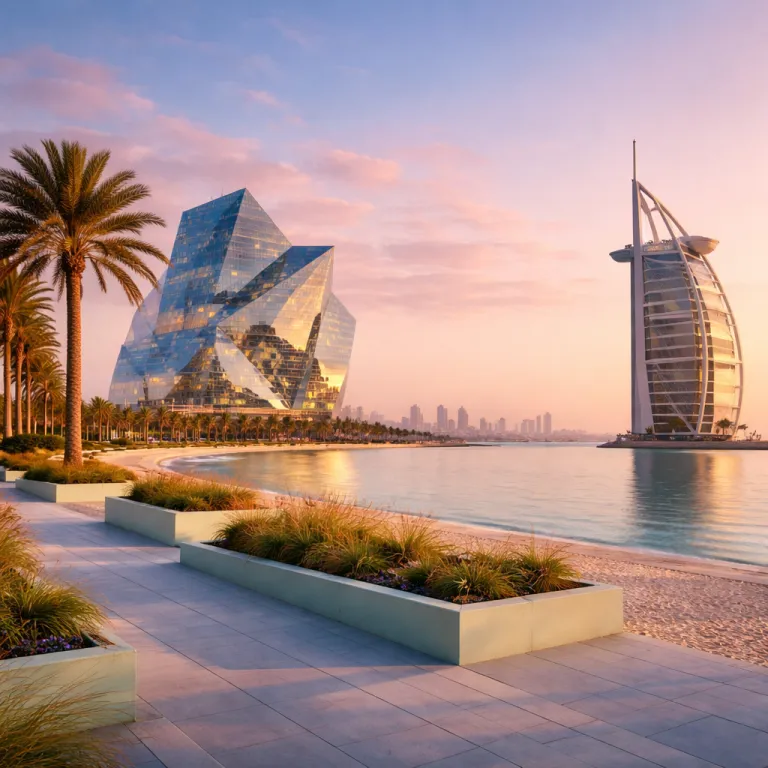
From skyline spectacle to architect led intent
Dubai hotel architecture design in 2026 signals a decisive shift in ambition. The city is moving from marketing driven spectacle toward architect led intent, where each hotel project must justify its place in the skyline. For frequent executive and leisure travelers in the United Arab Emirates, that means hotels and hotel residences are finally being shaped around how you actually live, work and reset between meetings.
This new chapter sits within a broader evolution across the United Arab Emirates and the wider Middle East, where serious architects now treat every hotel building as part of an urban fabric rather than an isolated icon. In Dubai, the most interesting hotels are no longer just near a beach or a mall; they are calibrated to frame a view, choreograph public spaces and reduce energy consumption without sacrificing theatre. That is the real story behind the latest wave of Dubai hotel architecture design, and it matters if you care as much about a quiet corner as a dramatic lobby.
Architects and studios such as Zaha Hadid Architects, SAOTA, Kerry Hill Architects and MVRDV are reshaping expectations for what a luxury hotel in Dubai can be. Their work on projects including The Alba, Six Senses The Palm, Aman Dubai and Inaura Downtown, as outlined in developer announcements and early design presentations, shows how contemporary design, sustainable architecture and integrated wellness can coexist in one coherent design studio vision. For discerning guests, the question is no longer whether a hotel looks impressive in glass and light, but whether its rooms and suites, restaurants and cafés, and branded residences feel custom designed for the rhythm of a Dubai stay.
Libeskind and Baccarat: sharp angles, softer hospitality
Daniel Libeskind entering the Dubai hotel scene is often described as a turning point for the city’s next generation of hospitality architecture. His Baccarat Hotel & Residences project in Downtown Dubai, announced by Shamal Holding in 2022 as part of a global expansion of the Baccarat brand, brings a heritage crystal name into direct dialogue with the Burj Khalifa and the surrounding skyline. For travelers, this suggests a hotel where every double curved surface and shard of glass is expected to refract both daylight and the city’s appetite for drama.
Libeskind’s design studio has long worked with fractured geometries, and here that language is being tuned to hospitality rather than pure monumentality. The Baccarat tower is conceived as a vertical opus, where hotel rooms and suites sit above branded residences that extend the same design vocabulary into longer stays. In a city where many hotels still feel interchangeable, this kind of architect led project points to a future where you can search for a hotel by designer as confidently as by beach access or loyalty programme.
For executive leisure guests, the promise lies in how the architecture can reduce energy use while maintaining comfort. Carefully modelled façades, advanced ventilation and lighting strategies, and high performance glass can reduce energy consumption without turning corridors into sealed capsules. Shamal’s initial statements reference a focus on environmental performance rather than just spectacle, and if delivered as planned, Baccarat could become a reference point for Dubai’s 2026 hotel design landscape, showing how sharp angles and sustainable systems can coexist in a single, highly polished project.
Tristan Auer and the quiet reinvention of Burj Al Arab
Tristan Auer’s reported work on the Burj Al Arab interiors is arguably one of the most delicate assignments in contemporary Dubai hotel design. The sail shaped icon, opened in 1999 and operated by Jumeirah, is already one of the most recognisable hotels in the world, and any project that touches it must respect a powerful collective memory. Auer’s task, as described in industry coverage of recent refurbishment phases and Jumeirah’s own references to ongoing upgrades, is to modernise the interiors, refine the public spaces and update the rooms and suites without diluting the building’s almost theatrical identity.
The refurbishment reflects a broader Middle East trend away from maximalist interiors toward cleaner lines, neutral palettes and tactile, high quality materials. In practice, that means the Burj’s restaurants and cafés, spa levels and lobby lounges are being edited rather than erased, with custom designed pieces replacing generic luxury finishes. For guests, the experience should feel less like a themed attraction and more like a quietly confident hotel that understands how executives actually move between meetings, calls and late night room service.
Energy performance is another under discussed dimension of this work, especially in a glass heavy icon rising from the sea. Updating ventilation and lighting systems, integrating more efficient cooling and rethinking how double curved interior elements conceal services can all help reduce energy consumption while preserving the drama of the atrium. When this project completes, it will stand as a litmus test for Dubai hotel architecture in 2026; if the Burj Al Arab can evolve without losing its soul, any hotel in the United Arab Emirates can aim higher.
Beyond icons: a maturing design culture across the emirates
The most interesting story in Dubai hotel architecture design for 2026 is not just about individual landmarks. It is about a maturing design culture that now stretches from Dubai to Abu Dhabi and the wider United Arab Emirates. New hotels and hotel residences are being planned with serious attention to context, energy consumption and the daily rituals of guests who blend work and leisure.
Projects such as The Alba by Zaha Hadid Architects, Six Senses The Palm by SAOTA, Aman Dubai by Kerry Hill Architects and Inaura Downtown by MVRDV illustrate this shift. Development briefs for The Alba, for example, describe a hotel with around 95 rooms that blend modern design with natural beauty and generous access to daylight. That single line captures how Zaha Hadid’s team at Zaha Hadid Architects are now expected to balance sculptural architecture with a softer, wellness driven interior narrative.
Photography and critique are also part of this maturation, with figures such as Laurian Ghinitoiu documenting how each new building sits within the city. A Laurian Ghinitoiu image of a glass façade or a double curved atrium can reveal as much about a project’s success as any marketing brochure. For travelers using a platform like myuaestay.com, this means you can search hotels not only by star rating but by the calibre of architects, the quality of public spaces and even the way a design studio handles details such as Noken Porcelanosa fixtures or custom designed joinery.
How design forward hotels will change your stay
For executive leisure travelers, the evolution of Dubai hotel architecture around 2026 is not an abstract design conversation. It directly shapes how you sleep, work, eat and decompress during a three night stopover or a longer stay in the United Arab Emirates. The best hotels now treat every corridor, lounge and terrace as part of a continuous guest journey rather than isolated Instagram moments.
Expect rooms and suites that are planned like compact apartments, with clear zoning for work, rest and wellness. In many new hotels, ventilation and lighting are tuned to circadian rhythms, while materials are chosen to reduce glare from the glass towers outside and soften acoustics in public spaces. Wellness focused properties such as Six Senses The Palm and Aman Dubai go further, integrating spa circuits, movement studios and quiet zones that echo the purposeful escapes explored in depth in our guide to wellness driven luxury retreats.
Sustainability is becoming a baseline expectation rather than a marketing flourish, especially in a climate where cooling loads dominate energy consumption. Architects are using shading, façade articulation and intelligent systems to reduce energy use without compromising comfort, while interior designers specify Noken Porcelanosa fittings and other efficient fixtures as standard. As more branded residences and hotel residences come online, the line between long stay and short stay will blur, and design studios will compete not on the tallest Burj view but on how gracefully their custom designed spaces support your real life.
FAQ
How is dubai hotel architecture design 2026 changing the way new hotels are planned ?
Dubai hotel architecture design 2026 is pushing developers to prioritise architect led concepts over generic luxury templates. This means earlier involvement of architects and design studios, clearer sustainability targets to reduce energy consumption and more attention to how public spaces support both business and leisure guests. The result is fewer copy paste towers and more hotels with a distinct identity grounded in their architecture.
What are the key features of The Alba and similar design driven hotels ?
The Alba by Zaha Hadid Architects is defined by sculptural forms, a strong connection to natural light and interiors that blend modern design with natural beauty. Similar hotels across the United Arab Emirates focus on double curved geometries, carefully framed views and integrated wellness facilities rather than just oversized lobbies. For guests, this translates into rooms, suites and public spaces that feel intentionally choreographed rather than simply decorated.
Why do architects such as Zaha Hadid and Daniel Libeskind matter for hotel guests ?
When architects such as Zaha Hadid, Daniel Libeskind or Kerry Hill Architects lead a hotel project, the building is usually designed from the inside out, starting with how guests move, rest and socialise. Their involvement often brings better daylight, more efficient layouts and stronger connections between restaurants, cafés, lounges and outdoor terraces. For travelers, this means a more coherent experience where architecture quietly supports comfort and productivity.
How are Dubai hotels addressing sustainability and energy performance ?
New hotels in Dubai and the wider Middle East are adopting high performance glass, improved insulation and advanced ventilation and lighting systems to reduce energy consumption. Many projects now integrate shading devices, smart controls and water saving fixtures such as Noken Porcelanosa fittings as standard. These measures lower operating costs while keeping interiors comfortable in the desert climate.
Which upcoming hotels should design minded travelers watch in the United Arab Emirates ?
Design minded travelers should watch Baccarat Hotel & Residences in Downtown Dubai, The Alba by Zaha Hadid Architects, Six Senses The Palm, Aman Dubai and Inaura Downtown. Each project showcases a different approach to Dubai hotel architecture design 2026, from Libeskind’s crystalline forms to MVRDV’s jewel like urban interventions. Together, they signal a future where choosing a hotel in the United Arab Emirates is as much about the architect as the address.