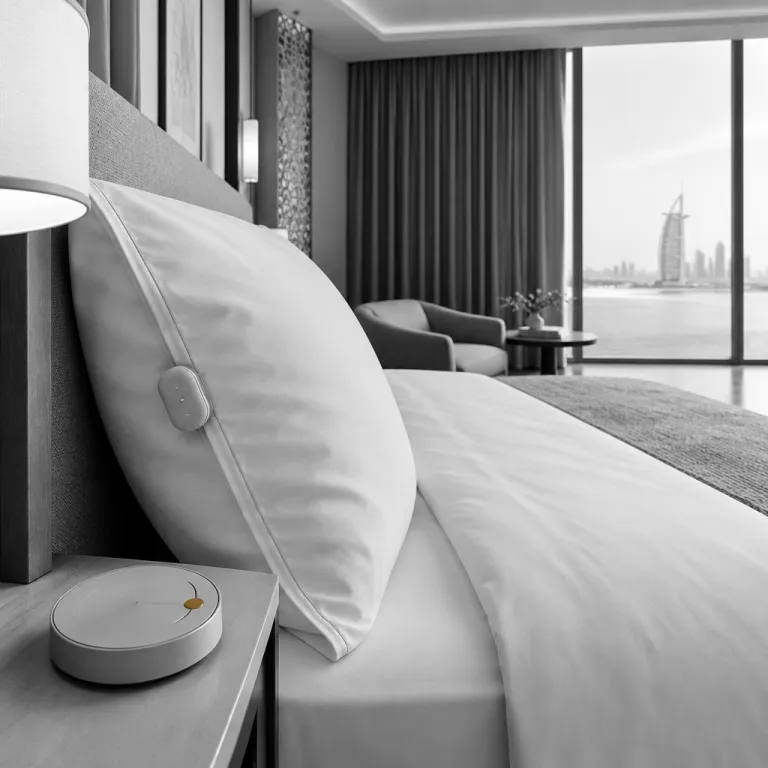
Why sleep wellness hotels in the UAE matter for serious rest
Sleep wellness hotels in the UAE are moving beyond scented candles and soft robes. In a region where late night business dinners in Dubai collide with early morning flights from every international airport, the new luxury is a room engineered so your nervous system finally stands down. For executives extending a work trip into a short wellness retreat, one truly restorative night can change the entire stay.
The most advanced properties now treat sleep as the foundation of total health, not a pleasant side effect of a good spa. They invest in circadian lighting that follows the natural rhythm of day and night, soundproof walls that mute the city, and thermoregulating mattresses that keep your core temperature steady. This is where dedicated sleep-focused hotels in the UAE start to feel closer to performance labs than traditional luxury retreats.
Context matters in the wider Middle East, where long haul routes from east Africa, the Asia Pacific region and Europe funnel through Dubai International and Abu Dhabi International every day. Guests arrive from Saudi Arabia, Türkiye and the broader Gulf corridor with jet lag, blue light fatigue and elevated stress. For them, a credible sleep wellness program is not a spa extra; it is a health intervention that protects long term wellbeing. Studies published in journals such as Sleep Medicine Reviews link chronic sleep debt to higher cardiovascular risk and impaired immune function, underlining why a single high quality night can be clinically meaningful.
Inside a true sleep program: from circadian rooms to recovery labs
Not every property marketing itself as one of the leading sleep wellness hotels in the UAE is doing more than dimming the lights. A genuine sleep focused program starts with architecture and engineering, then layers in rituals, coaching and technology that respect your senses rather than overwhelm them. When done well, the result is a room where your body understands it is finally safe to sleep.
SIRO One Za’abeel in Dubai is a clear example of this new philosophy, positioning itself as a fitness and recovery led wellness retreat for travellers who measure performance. Rooms use smart curtains synced to natural light, motorised blackout blinds and circadian lighting protocols that shift colour temperature from crisp daylight tones to warm desert dusk hues. Thermoregulating beds, advanced air filtration and near silent soundscapes turn a standard night into a targeted health retreat, especially for guests stepping off late arrivals at Dubai International. As one frequent flyer described it, “It felt like checking into a recovery lab, not just another five star room.”
Resorts are adapting the same thinking for longer wellness retreats along the coast and in the desert. At Jumeirah Al Qasr, the Talise Sleep Programme sits alongside traditional spa rituals, using Hapbee smart sleep pads, yoga meditation and sound therapy to guide the senses toward deep rest. On Palm Jumeirah, high end wellness hotels now pair extensive spa menus with sleep coaching, while properties like Six Senses on the Palm position themselves as Dubai’s most anticipated wellness opening for travellers who see sleep as the first pillar of health. Research cited by the International WELL Building Institute notes that optimised bedroom temperatures around 18–20°C and reduced night time noise can significantly improve deep sleep duration, principles many of these programmes quietly apply.
How to separate real sleep science from spa brochure promises
Marketing language around wellness in the Middle East has become noisy, and sleep wellness hotels in the UAE are not immune. Many properties promise a transformative retreat yet deliver little more than a pillow menu and a lavender spray at turndown. For a business leisure traveller paying a premium, that gap between promise and measurable health results is no longer acceptable.
Start by asking precise questions before you book any wellness retreat or spa focused stay. Does the hotel use circadian lighting systems that change intensity and colour through the day, or are you simply getting dimmable lamps; are rooms genuinely soundproofed, or just described as quiet; is there independent data behind the mattresses and air systems, or only poetic language about the desert night and calming nature. A serious program will also reference partnerships with sleep consultants or performance teams, not just generic wellness experts. Some UAE properties now work with recognised names in sports science and chronobiology to validate protocols, a useful signal that the offer goes beyond brochure copy.
Look for properties that integrate sleep into broader health retreats and longevity offerings, rather than treating it as a one night add on. Some UAE hotels now house full medical style longevity clinics, where sleep data sits alongside nutrition, movement and stress metrics in a single wellbeing plan. Our guide to longevity clinics inside hotels explains how these programs work, and why they matter if you are flying frequently between Dubai, Saudi Arabia, east Africa and the Asia Pacific region. A 2019 review by the World Travel & Tourism Council highlighted that travellers on multi stop itineraries report up to 30% higher satisfaction when sleep support is embedded into the overall wellness journey.
Where the UAE leads: from desert retreats to coastal sanctuaries
The geography of the United Arab Emirates gives sleep wellness hotels in the UAE a natural advantage. You can land at an international airport in Dubai or Abu Dhabi, then be in a desert retreat or on a quiet stretch of coast within a short drive. That contrast between intense city energy and wide open nature is a powerful reset for the senses.
In the north, the dramatic mountains framing Zighy Bay have inspired a new generation of wellness retreats across the wider region. Properties trading on the Zighy name, including those referencing Senses Zighy in their branding, lean into rugged landscapes, salt air and low light pollution as tools for better sleep. Similar thinking appears in desert facing resorts across Arabia, where low rise architecture, sand toned palettes and carefully shielded lighting allow the night sky to do part of the work that no spa program can replicate.
Further afield, travellers compare these experiences with wellness retreats in Saudi Arabia’s Red Sea region, the canyons of Senses Shaharut in neighbouring territories and coastal sanctuaries in east Africa and the Asia Pacific. The best UAE properties understand this competitive set and respond with year round programming that respects both climate and culture. For the guest, that means a sleep focused retreat in the Emirates can now hold its own against any east wellness destination globally, from Bali to the Maldives.
Is the sleep premium worth it for business leisure travellers ?
For executives used to late checkouts and early board meetings, the question is simple. Are sleep wellness hotels in the UAE worth the premium over a standard luxury stay near Dubai International or Abu Dhabi’s business districts. When you strip away the spa language, the answer depends on how you value one excellent night of sleep.
Consider the cost of arriving from Türkiye or east Africa for a three day schedule of negotiations in Dubai, then flying straight on to meetings in the Asia Pacific region. One broken night can derail performance, weaken immunity and undermine the health benefits of every other wellness habit you maintain. A room that protects your circadian rhythm, manages temperature and filters air effectively is not indulgence; it is risk management for your wellbeing and your business outcomes. Research from the Global Wellness Institute notes that even modest improvements in sleep efficiency can translate into measurable gains in cognitive performance and decision making the following day.
Guest reviews from early adopters of these programs consistently highlight sharper focus, calmer mood and reduced jet lag after even a short retreat style stay. Industry data from the region shows that a significant share of travellers now choose hotels specifically for sleep promoting features, confirming that wellness is no longer confined to the spa. For those who see travel as a year round part of their career, paying for engineered rest in the United Arab Emirates is starting to look less like luxury and more like a rational health retreat strategy.
When sleep becomes the core of UAE wellness design
Once you start looking at the UAE through the lens of sleep, the entire hospitality landscape shifts. Properties that once competed on tallest atriums or most dramatic pools now refine the micro details of light, sound and temperature that your senses register subconsciously. The result is a quieter form of luxury, but one that lingers long after you leave.
Design forward hotels in Dubai and Abu Dhabi are already weaving sleep into every layer of the guest journey, from arrival timing to late night room service menus that support digestion and health. Some integrate yoga meditation sessions timed to east facing sunrise views, while others curate spa rituals that end early enough for your nervous system to wind down naturally. A few even coordinate airport transfers from Dubai and other hubs so that check in, daylight exposure and first rest align with your personal circadian rhythm. Evidence from chronobiology research suggests that aligning light exposure and sleep windows with local time can shorten jet lag by several days on long haul routes.
As this movement matures, expect more cross pollination between art focused properties and wellness retreats, where sensory design serves both aesthetics and sleep. Our feature on museum style hotels in the UAE shows how visual calm can be as powerful as any spa program when it comes to rest. In that context, the most interesting sleep wellness hotels in the UAE are not chasing spectacle; they are quietly re engineering the night so that your body can repair, your mind can reset and your next day in the Middle East feels unexpectedly light.
FAQ
What is circadian lighting in hotels ?
Circadian lighting in hotels refers to systems that adjust colour and intensity to simulate natural daylight cycles throughout the day. In sleep wellness hotels in the UAE, these systems are programmed to support your internal body clock, using brighter, cooler light in the morning and warmer, dimmer tones in the evening. The goal is to help regulate sleep and wake patterns for better overall health, echoing findings from the International WELL Building Institute on light and circadian rhythm.
Which UAE hotel focuses most on sleep science ?
SIRO One Za’abeel in Dubai is widely recognised as a UAE property strongly focused on sleep science at the moment. It combines smart curtains, thermoregulating beds and blackout blinds with recovery labs and performance focused wellness programs. This makes it particularly relevant for business travellers seeking measurable rest rather than a generic spa stay.
What is a sleep wellness programme in a hotel ?
A sleep wellness programme in a hotel is a structured stay that includes coaching, therapies and rituals designed to improve sleep quality. As one industry definition puts it, “A-stay offering coaching, therapies, rituals to improve sleep-quality”. In the UAE, these programmes often sit alongside broader wellness retreats that address movement, nutrition and stress, sometimes supported by in house clinicians or external sleep specialists.
How can I tell if a hotel’s sleep offer is more than marketing ?
Look for concrete features such as circadian lighting, soundproof construction, advanced mattresses and air purification, rather than vague promises about relaxation. Ask whether the hotel partners with recognised sleep consultants or performance teams, and whether any data is collected to track outcomes. Reviews from frequent travellers can also reveal whether guests actually sleep better, or simply enjoy a standard luxury experience.
Are sleep focused rooms useful for short business trips ?
Sleep focused rooms can be especially valuable on short business trips, where you have limited time to adjust to new time zones. A single night of high quality sleep can improve cognitive performance, mood and decision making during intense meetings. For travellers regularly flying through Dubai International or Abu Dhabi, paying for engineered rest often delivers a strong return on both health and productivity, particularly when combined with smart scheduling of light exposure and meal times.
Sources
Global Wellness Institute; World Travel & Tourism Council; International WELL Building Institute; peer reviewed research in Sleep Medicine Reviews and related journals.