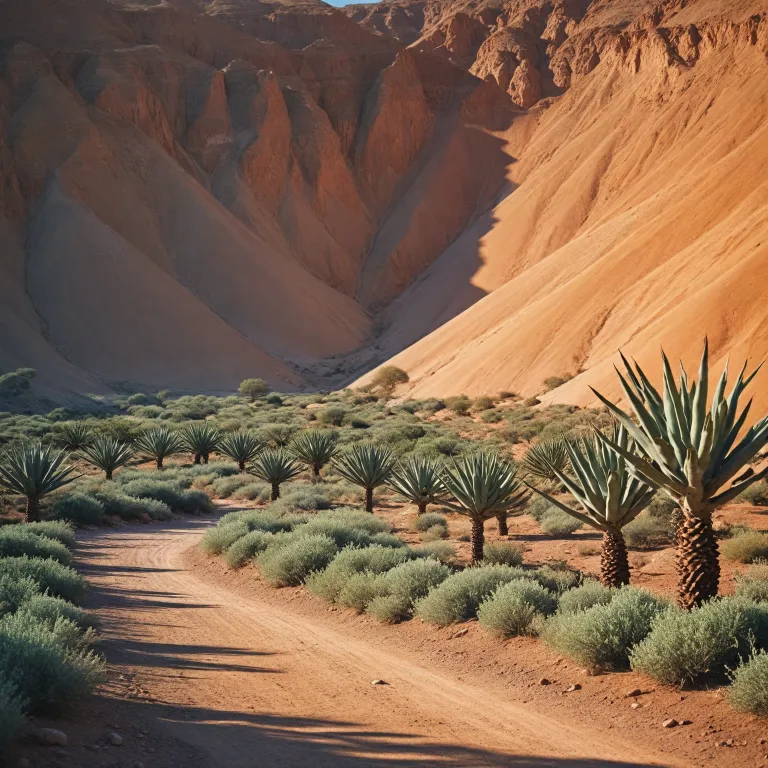
The geographical marvel of the Atacama Desert on the South America map
The Atacama Desert stands as a striking feature on the South America map, stretching across northern Chile and captivating travelers with its vast, arid expanse. Located between the Pacific Ocean and the Andes Mountains, the desert Atacama covers approximately 105,000 square kilometers, making it one of the most prominent deserts in the region. Its unique position results in the Atacama region being recognized as the driest place on earth, with some areas receiving less than 15 mm of rainfall annually. The town San Pedro de Atacama, often referred to as the gateway to the desert, sits at an elevation of 2,400 meters above sea level and serves as a hub for exploring the surrounding salt flats, valleys, and national parks. The landscape is defined by salt flats such as the del salar, rugged mountains, and the shimmering salt flat known as Salar de Atacama, all of which are easily identified on the South America map.
Travelers seeking to understand the significance of the Atacama Desert on the South America map will find that its boundaries are shaped by geological and climatic forces. The region’s proximity to the Andes and the influence of the cold Humboldt Current create a rain shadow effect, ensuring the desert’s extreme aridity. This unique combination of natural elements has given rise to a landscape where salt, sand, and rock dominate, and where the absence of fresh water has shaped both the environment and the way of life for those who inhabit it. The Atacama region is not only a geographical marvel but also a testament to the resilience of life in one of the harshest environments on the planet. The desert Chile offers a fascinating study in contrasts, with its stark beauty and the delicate balance of its ecosystems.
For those planning a trip, the Atacama Desert’s location on the South America map makes it accessible from major Chilean cities, with San Pedro de Atacama serving as the primary entry point. The region’s salt flats, such as the famous Salar de Atacama, and natural wonders like the Valle de la Luna and Death Valley, are must-see destinations. The Atacama Desert’s unique features, including its salt flats and high-altitude valleys, make it a place of unparalleled beauty and scientific interest. Whether you are tracing the contours of the desert on a map or experiencing its vastness in person, the Atacama Desert remains an iconic destination in South America.
Climate, altitude, and the unique environment of the Atacama region
The Atacama region is renowned for its extreme climate, characterized by minimal rainfall, intense sunlight, and dramatic temperature fluctuations. The desert Atacama receives an average of just 15 mm of rain per year, making it the driest place on earth. This aridity is a result of its location between the Andes and the Pacific, where the cold Humboldt Current suppresses cloud formation and precipitation. The region’s elevation, with many areas situated over 2,400 meters above sea level, contributes to its unique climatic conditions. Travelers visiting the Atacama Desert on the South America map should be prepared for significant temperature differences between day and night, with daytime highs often exceeding 25°C and nighttime lows dropping close to freezing.
The lack of fresh water and the prevalence of salt flats, such as the del salar and the expansive Salar de Atacama, define the landscape. These salt flats are remnants of ancient lakes that have evaporated over millennia, leaving behind vast crusts of salt and minerals. The Atacama region’s environment is further shaped by its altitude, with many sites, including the renowned ALMA observatory, located at elevations above 5,000 meters. This high altitude provides clear, dry air, making the region ideal for astronomical observations. The desert Chile is also home to unique geological formations, such as the Valle de la Luna and Death Valley, which attract visitors from around the world.
Visitors should be mindful of the challenges posed by the Atacama’s environment. Altitude sickness can affect those unaccustomed to high elevations, and the intense sun requires adequate protection. The region’s fragile ecosystem, shaped by its extreme conditions, is home to a variety of endemic species that have adapted to survive with minimal water. The Atacama Desert’s climate and geography make it a place of both scientific interest and natural wonder, offering a glimpse into the resilience of life in one of the world’s most inhospitable environments. For more insights on sustainable travel in extreme environments, explore our comprehensive guide to eco-friendly travel in South America.
San Pedro de Atacama: Gateway to the desert’s wonders
San Pedro de Atacama, often simply called San Pedro, is the principal town in the Atacama region and serves as the starting point for most expeditions into the desert. Located at the edge of the Salar de Atacama, this town is a vibrant hub for travelers seeking to explore the natural and cultural riches of the desert. San Pedro de Atacama offers a range of accommodations, from luxury hotels to more modest lodgings, catering to visitors eager to experience the unique landscapes and attractions of the region. The town’s altitude, at 2,400 meters above sea level, provides stunning views of the surrounding salt flats, volcanoes, and valleys.
San Pedro is renowned for its proximity to some of the Atacama Desert’s most iconic sites, including the Valle de la Luna, Death Valley, and the Ojos del Salar. These natural wonders are easily accessible from the town, making it an ideal base for day trips and excursions. The region’s salt flats, such as the expansive Salar de Atacama, are among the largest in South America and offer breathtaking vistas, especially at sunrise and sunset. The town San Pedro is also a center for cultural experiences, with local markets, museums, and festivals celebrating the heritage of the Atacameño people.
For those interested in astronomy, San Pedro de Atacama is a gateway to some of the world’s most advanced observatories. The nearby ALMA observatory, operated by the European Southern Observatory, takes advantage of the region’s clear skies and high altitude to conduct cutting-edge research. Visitors can participate in guided tours and stargazing sessions, gaining a deeper appreciation for the desert’s role in advancing our understanding of the universe. To plan your journey and find the best accommodations in San Pedro de Atacama, visit our luxury hotel booking platform for Chile’s desert region.
Salt flats, valleys, and the natural wonders of the Atacama Desert
The Atacama Desert is renowned for its extraordinary natural features, including vast salt flats, dramatic valleys, and unique geological formations. The Salar de Atacama, the largest salt flat in Chile, spans over 3,000 square kilometers and is a highlight for visitors tracing the Atacama Desert on the South America map. This salt flat is a critical habitat for flamingos and other wildlife, and its reflective surface creates stunning visual effects, especially during sunrise and sunset. The region’s salt flats, or salt flats, are remnants of ancient lakes that have dried up over thousands of years, leaving behind thick crusts of salt and minerals.
Among the most famous valleys in the Atacama region are the Valle de la Luna and Death Valley. These areas are characterized by their otherworldly landscapes, with wind-sculpted rock formations, sand dunes, and deep canyons. The Valle de la Luna, in particular, is known for its resemblance to the surface of the moon, attracting photographers and adventurers alike. The Ojos del Salar, a pair of deep, circular pools in the middle of the salt flat, offer a striking contrast to the surrounding arid landscape and are popular spots for swimming and relaxation.
The Atacama Desert’s natural wonders are not limited to its salt flats and valleys. The region is also home to geysers, hot springs, and volcanic peaks, providing a diverse array of experiences for visitors. The desert’s unique combination of geological and climatic factors has created a landscape unlike any other on earth.
Astronomical research and observatories in the Atacama region
The Atacama Desert’s clear skies and high altitude have made it a global center for astronomical research. The region is home to some of the world’s most advanced observatories, including the ALMA (Atacama Large Millimeter/submillimeter Array) and facilities operated by the European Southern Observatory. These observatories are strategically located in the desert Atacama to take advantage of the minimal light pollution and stable atmospheric conditions. The high elevation, with observatories situated at over 5,000 meters above sea level, allows for unparalleled views of the cosmos.
Scientific teams from around the world travel to the Atacama region to conduct research on topics ranging from the formation of galaxies to the search for extraterrestrial life. The desert’s Mars-like conditions have also attracted astrobiologists, who study the resilience of life in extreme environments. The Atacama Desert’s unique environment provides valuable insights into the potential for life on other planets, as well as the processes that shape our own planet. The observatories in the region are equipped with state-of-the-art telescopes and instruments, enabling groundbreaking discoveries in astronomy and astrophysics.
Visitors to the Atacama Desert can participate in guided tours of the observatories, learning about the latest research and enjoying stargazing sessions under some of the clearest skies on earth. The region’s reputation as a premier destination for astronomical tourism continues to grow, attracting enthusiasts and professionals alike. As one expert notes, “The Atacama's high altitude, clear skies, and minimal light pollution make it an ideal location for astronomical observatories, facilitating significant research and discoveries.” The Atacama Desert’s role in advancing our understanding of the universe is a testament to the importance of preserving its unique environment for future generations.
Culture, history, and the resilience of life in the driest place on earth
The Atacama Desert is not only a geographical and scientific marvel but also a region rich in cultural heritage and history. Indigenous communities, such as the Atacameño people, have inhabited the desert for thousands of years, developing unique traditions and ways of life adapted to the harsh environment. The town San Pedro de Atacama serves as a cultural center, with museums and festivals celebrating the region’s history and the resilience of its people. The Atacama region’s cultural heritage is evident in its ancient ruins, petroglyphs, and traditional crafts, which offer insights into the lives of those who have thrived in the desert for generations.
The desert’s extreme conditions have shaped the flora and fauna that call it home. Despite the lack of fresh water and the prevalence of salt, a variety of plants and animals have adapted to survive in the Atacama region. Species such as cacti, shrubs, and lichens are common, while wildlife includes flamingos, vicuñas, and Darwin’s leaf-eared mouse. As one expert explains, “Despite its harsh conditions, the Atacama Desert is home to species such as the Darwin’s leaf-eared mouse, vicuñas, flamingos, and various lizards and insects.” These adaptations highlight the resilience of life in one of the world’s most challenging environments.
The Atacama Desert’s cultural and natural heritage is a source of pride for the people of Chile and a draw for visitors from around the world. Efforts to preserve the region’s unique ecosystems and support sustainable tourism are essential to ensuring that future generations can continue to experience the wonders of the desert. The Atacama region’s history, culture, and biodiversity make it a place of enduring fascination and significance on the South America map.
Planning your trip: Practical advice for exploring the Atacama Desert
Exploring the Atacama Desert on the South America map requires careful planning and preparation. The region’s extreme climate and high altitude present unique challenges, and travelers should be aware of the risks associated with dehydration, sun exposure, and altitude sickness. It is essential to carry ample water, wear sun protection, and allow time for acclimatization, especially when visiting sites located at higher elevations. Night temperatures can drop significantly, so packing appropriate clothing is crucial for comfort and safety.
When planning your trip, consider the best times to visit the Atacama region. The desert’s climate is relatively stable year round, but some months offer more favorable conditions for outdoor activities and sightseeing. The town San Pedro de Atacama serves as the main base for exploring the region, with a range of accommodations and services to suit different preferences and budgets. Guided tours are available for popular destinations such as the Salar de Atacama, Valle de la Luna, and the region’s observatories, providing expert insights and ensuring a safe and enjoyable experience.
Respect for the local environment and communities is essential when visiting the Atacama Desert. The region’s fragile ecosystems are vulnerable to disturbance, and visitors should follow guidelines to minimize their impact. Supporting local businesses and participating in cultural activities can enhance your trip while contributing to the preservation of the Atacama’s unique heritage. With careful planning and a spirit of adventure, a journey to the Atacama Desert offers an unforgettable experience in one of South America’s most remarkable landscapes.
Key statistics about the Atacama Desert
- Average annual rainfall: 15 mm
- Area of the Atacama Desert: 105,000 km²
- Elevation range: up to 3,300 meters
Frequently asked questions about the Atacama Desert
Why is the Atacama Desert so dry?
The Atacama Desert's extreme dryness is due to its location between the Andes Mountains and the Pacific Ocean, which creates a rain shadow effect, and the presence of the cold Humboldt Current, which inhibits cloud formation.
What animals live in the Atacama Desert?
Despite its harsh conditions, the Atacama Desert is home to species such as the Darwin’s leaf-eared mouse, vicuñas, flamingos, and various lizards and insects.
Can plants grow in the Atacama Desert?
Yes, certain plants like cacti, shrubs, and lichens have adapted to the extreme aridity, especially in areas where fog provides moisture.