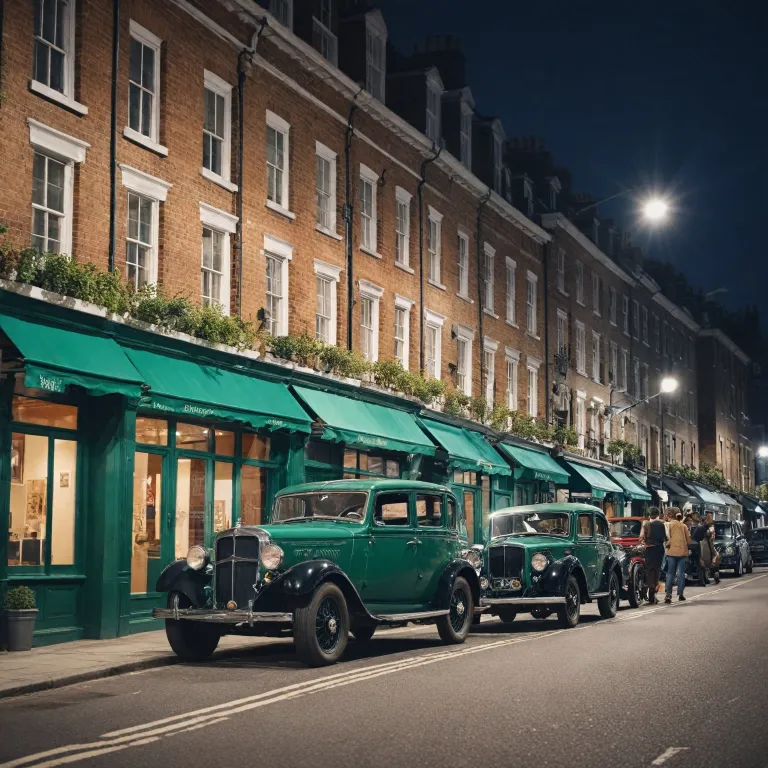
The transformation of emerald street: from green street to urban hub
Emerald Street London stands as a testament to the city’s evolving urban landscape. Originally known as Green Street in the early eighteenth century, this narrow alley was renamed Emerald Street to avoid confusion with other similarly named streets in the city. Today, the area is a vibrant mix of residential and commercial properties, with the Emerald Street Estate managing several converted warehouses that now serve as modern office and studio spaces. The street’s location in the Holborn and Covent Garden area ensures excellent transport links, making it a sought-after place for both businesses and residents. The narrowest parts of Emerald Court, adjacent to the main street, highlight the historic character of the area, reflecting the city’s architectural evolution over the centuries. A short walk from Covent Garden and the British Museum, Emerald Street offers a unique blend of history and contemporary urban life. The area’s transformation mirrors broader trends in city London, where former industrial spaces are repurposed for premium uses. The rocque map by John Rocque provides a fascinating view of the street’s early layout, while today’s map reveals a dynamic environment shaped by both heritage and innovation. The presence of rugby school and the proximity to rugby street further enrich the cultural tapestry of the area. The narrow alleyways, once traversed by merchants and residents, now accommodate a diverse community, with income view and property values reflecting the desirability of this central London location. The evolution of Emerald Street London encapsulates the spirit of urban regeneration, where history and modernity coexist seamlessly.
Architectural highlights and the allure of narrow alleys
The architectural landscape of Emerald Street London is defined by its blend of historic and contemporary elements. The narrowest sections, particularly in Emerald Court, offer a glimpse into the city’s past, where streets were designed for foot traffic and horse-drawn carriages. Today, these narrow alleys create a unique atmosphere, attracting visitors who appreciate the charm of old London. The area’s warehouse conversions, managed by Emerald Street Estate, provide modern amenities while preserving the original character of the buildings. Lambs Conduit Street and Conduit Street, both nearby, share similar architectural features, contributing to the cohesive aesthetic of the neighborhood. The use of a tape measure to assess the width of the narrowest alleyways has become a point of interest for urban enthusiasts. The juxtaposition of early nineteenth-century structures with contemporary office spaces exemplifies the adaptive reuse that defines much of city London’s development. The area’s map reveals a network of interconnected streets, each with its own story and significance. Rugby Street and Rugby Estate, named after the prestigious rugby school, add to the historical depth of the area. The presence of schools, courts, and residential buildings creates a vibrant community, where daily life unfolds against a backdrop of architectural heritage. The view from various vantage points along Emerald Street offers a visual narrative of the city’s evolution, from its early days to its current status as a premium destination. For those seeking a blend of history and modernity, Emerald Street London provides an unparalleled experience. For more on the area’s architectural evolution, see this comprehensive guide to London’s historic streets.
Emerald street’s role in the premium property market
Emerald Street London has become a focal point in the city’s premium property market. The area’s central location, combined with its rich history and excellent transport links, has driven demand for both residential and commercial spaces. The average property value on Emerald Street stands at over one million GBP, reflecting the area’s status as a desirable place to live and work. The conversion of warehouses into modern offices has attracted businesses seeking flexible lease terms and contemporary amenities. The Emerald Street Estate plays a key role in managing these properties, ensuring that the area maintains its premium appeal. The proximity to Covent Garden and the city’s financial districts makes Emerald Street an attractive option for professionals and entrepreneurs. The narrow alleys and historic buildings add to the area’s charm, creating a unique environment that sets it apart from other parts of city London. The income view from properties in the area is enhanced by the presence of schools, courts, and cultural attractions. The map of the area reveals a well-connected network of streets, with Emerald Street at its heart. The demand for office spaces in converted warehouses continues to rise, driven by the area’s central location and historical significance. The view from Emerald Court offers a perspective on the area’s evolution, from its early days as Green Street to its current status as a premium destination. For those interested in exploring the premium property market in London, Emerald Street offers a compelling case study. For further insights into the property market, consult this detailed analysis of London’s premium real estate trends.
Safety, community, and the role of local authorities
Safety and community are central to the appeal of Emerald Street London. The area’s annual crime rate is 118 crimes per 1,000 residents, a figure considered medium compared to other local areas. Camden Council, the local authority responsible for maintaining public highways, plays a vital role in ensuring the safety and cleanliness of the streets. The presence of schools, courts, and community spaces fosters a sense of belonging among residents and businesses. The narrow alleys and historic buildings create a unique environment, but they also present challenges in terms of accessibility and safety. The Emerald Street Estate works closely with local authorities to address these issues, ensuring that the area remains a safe and welcoming place for all. The map of the area highlights the proximity of key amenities, including transport links, schools, and cultural attractions. The view from various points along Emerald Street offers a snapshot of daily life in the city, where residents and visitors coexist in a vibrant urban setting. The community’s commitment to preserving the area’s heritage is evident in the careful management of historic buildings and public spaces. The role of local authorities and property managers is crucial in maintaining the area’s premium status. The income view from properties in the area is influenced by the safety and quality of the local environment. The narrowest sections of Emerald Court serve as a reminder of the area’s historical roots, while ongoing improvements ensure that the area meets the needs of modern residents and businesses. For those considering a move to Emerald Street London, the combination of safety, community, and premium amenities makes it an attractive option.
Historical context: mapping emerald street through the centuries
The history of Emerald Street London is intricately linked to the broader narrative of the city’s development. The street’s origins can be traced back to the eighteenth century, when it was known as Green Street. The renaming to Emerald Street was a practical decision, aimed at reducing confusion with other Green Streets in the city. The rocque map by John Rocque provides valuable insights into the street’s early layout, revealing a network of narrow alleys and interconnected streets. The area’s evolution from a primarily residential neighborhood to a mixed-use urban hub reflects the changing needs of city London. The presence of rugby school and the development of rugby estate highlight the area’s educational and cultural significance. The map of the area shows the proximity of key landmarks, including Covent Garden and Lambs Conduit Street. The use of a tape measure to document the width of the narrowest alleys has become a point of interest for historians and urban planners. The view from Emerald Court offers a window into the past, where early residents navigated the narrow streets on foot or by carriage. The area’s transformation over the centuries is a testament to the resilience and adaptability of city London. The income view from properties in the area has increased as the neighborhood has become more desirable. The historical context of Emerald Street London provides a foundation for understanding its current status as a premium destination. The interplay between history and modernity is evident in every corner of the area, from the narrowest alley to the grandest office building. The story of Emerald Street is a microcosm of the city’s ongoing evolution.
Experiencing emerald street today: culture, amenities, and daily life
Today, Emerald Street London is a vibrant destination that offers a unique blend of culture, amenities, and daily life. The area’s central location ensures easy access to transport links, making it a convenient place for residents and visitors alike. The narrow alleys and historic buildings create a distinctive atmosphere, where the past and present coexist. The presence of schools, courts, and community spaces fosters a sense of belonging and engagement. The Emerald Street Estate manages a range of properties, from modern offices to residential apartments, catering to a diverse population. The map of the area highlights the proximity of key attractions, including Covent Garden and the British Museum. The view from various points along Emerald Street offers a snapshot of daily life in the city, where people from all walks of life come together. The area’s income view is enhanced by the presence of premium amenities and cultural institutions. The narrowest sections of Emerald Court provide a unique setting for exploration and discovery. The community’s commitment to preserving the area’s heritage is evident in the careful management of historic buildings and public spaces. The role of local authorities and property managers is crucial in maintaining the area’s premium status. The combination of history, culture, and modern amenities makes Emerald Street London a destination of choice for those seeking an authentic urban experience. As one expert noted, “To avoid confusion with other streets named Green Street in London, it was renamed Emerald Street in 1885.” The area’s ongoing evolution ensures that it remains a vibrant and dynamic part of city London.
Key statistics: emerald street london in numbers
- Annual crime rate in Emerald Street area: 118 crimes per 1,000 residents
- Average property value on Emerald Street: 1,268,088 GBP
Frequently asked questions about emerald street london
Why was Emerald Street renamed from Green Street?
To avoid confusion with other streets named Green Street in London, it was renamed Emerald Street in 1885.
What is the crime rate in the Emerald Street area?
The annual crime rate is 118 crimes per 1,000 residents, considered medium compared to other local areas.
Are there office spaces available on Emerald Street?
Yes, several refurbished warehouse offices are available for rent, offering flexible lease terms and modern amenities.