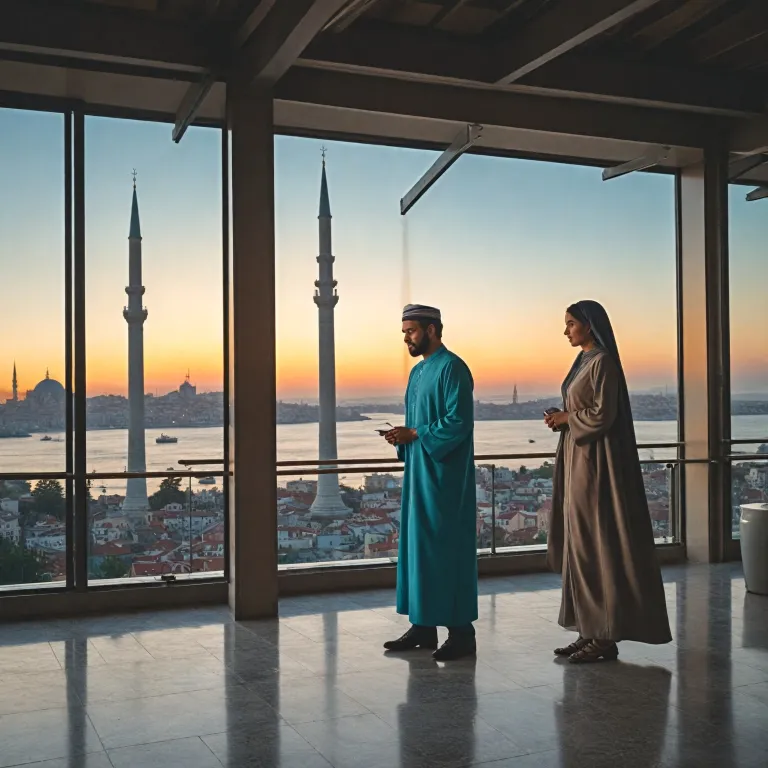
Evaluating travel safety in Turkey for UAE travelers
When considering whether it is dangerous to travel to Turkey, travelers from the United Arab Emirates must examine a range of factors, including local conditions, Turkish regulations, and the advice of local authorities. Turkey remains a popular destination for both leisure and medical tourism, attracting visitors to major cities like Istanbul and other tourist areas. However, travelers should exercise a high degree of caution and follow the latest travel advice from both Turkish authorities and their own embassy or consulate. The Turkish police maintain a visible presence in public areas, especially in tourist zones, to ensure safety and respond to incidents quickly.
Travelers are encouraged to monitor local media and social media for real-time updates on safety and security. It is important to avoid demonstrations and large gatherings, as these can escalate rapidly. The advice local authorities provide should be followed closely, and travelers should stay informed about any changes in the situation by checking official travel advice platforms. Carrying valid travel insurance is essential, as it covers medical emergencies and unexpected events during your stay in Turkey. For those seeking premium accommodation, choosing hotels with robust security measures and clear emergency protocols is recommended.
When planning your trip, consider the areas you intend to visit. Some regions, particularly those near the Syrian border, are not considered safe and should be avoided. The U.S. Department of State advises travelers to avoid Sirnak province, Hakkari province, and any area within ten kilometers of the Syrian border due to terrorism risks. By exercising a high degree of caution and following instructions from local authorities, travelers can enjoy a safe and memorable experience in Turkey.
Key risks and safety measures for travelers in Turkey
Understanding the risks associated with travel in Turkey is crucial for UAE residents booking luxury or premium hotels. The Turkish government, in collaboration with local police and the Turkish Directorate of Civil Aviation, has implemented several safety measures to protect travelers. For instance, fines have been introduced for airline passengers who unbuckle their seat belts before the plane comes to a complete stop, reflecting a commitment to public safety. In major cities like Istanbul, police patrols are frequent in tourist areas, and travelers are advised to follow instructions from local authorities at all times.
Travelers should be aware of the potential for terrorism and arbitrary detentions, particularly in certain areas. As stated in the dataset, "Travelers should exercise increased caution due to terrorism and arbitrary detentions. Some areas have increased risk. It's advisable to read the entire travel advisory before planning your trip." This advice underscores the importance of staying informed and vigilant. Monitoring local media and social media channels can help travelers stay updated on any emerging risks or incidents.
For those seeking medical tourism, it is essential to verify the credentials of medical facilities and practitioners. Carrying comprehensive travel insurance that covers medical emergencies is highly recommended. The embassy or consulate can provide additional support in case of emergencies, and travelers should register their trip details with their embassy for added security. For more information on safe and secure hotel options in Turkey, visit luxury hotel booking in Turkey.
Health considerations: water, food, and air quality in Turkey
Health and environmental risks are a significant concern for travelers considering whether it is dangerous to travel to Turkey. The World Health Organization reports that 99% of the Turkish population breathes unsafe air, with air pollution contributing to a high number of deaths annually. Travelers should monitor local air quality, especially in major cities, and take precautions such as limiting outdoor activities on days with poor air quality. This is particularly important for travelers with respiratory conditions or those planning to stay for extended periods.
When it comes to food and water, travelers should exercise caution. Only consume food and drinks from reputable establishments, and avoid tap water unless it is confirmed safe by local authorities. The risk of waterborne illnesses can be mitigated by drinking bottled water and ensuring that food is thoroughly cooked. The Turkish authorities regularly inspect food and water sources in tourist areas, but travelers should remain vigilant and follow advice from local health officials.
Yellow fever is not endemic to Turkey, but travelers arriving from countries with yellow fever transmission may be required to show proof of vaccination. Medical facilities in major cities are generally of a high standard, but access in rural areas may be limited. Travelers should ensure their travel insurance covers medical evacuation if necessary. For more details on health and safety in Turkey, refer to health and safety tips for travelers in Turkey.
Visa requirements and entry advice for UAE travelers
Before booking a luxury or premium hotel in Turkey, UAE travelers must ensure they meet all visa and entry requirements. The Turkish government offers an e-visa system for citizens of many countries, including the United Arab Emirates, simplifying the process for travelers. It is important to check the latest visa regulations and ensure your travel documents are valid for the duration of your stay. The embassy or consulate can provide up-to-date information on visa requirements and assist with any issues that may arise during your trip.
Travelers should also be aware of the need to register with local authorities upon arrival, especially if staying for an extended period. This helps ensure your safety and allows local authorities to provide assistance in case of emergencies. Following advice from Turkish authorities and your own embassy is crucial for a smooth travel experience. Carry copies of important documents, including your visa, passport, and travel insurance policy, at all times.
It is advisable to avoid overstaying your visa, as this can result in fines or deportation. Travelers should also be aware of any travel advisories issued by their home country and follow instructions from local authorities.
Staying informed: monitoring local and social media for updates
Staying informed about local conditions is essential for travelers assessing whether it is dangerous to travel to Turkey. Monitoring local media and social media platforms provides real-time updates on safety, weather, and public events. The Turkish authorities and police often use these channels to communicate important information, including travel advice and instructions during emergencies. Travelers should follow official accounts and reputable news sources to ensure they receive accurate and timely updates.
In addition to monitoring media, travelers should enroll in programs such as the Smart Traveler Enrollment Program (STEP) to receive travel alerts and updates from their embassy or consulate. This proactive approach allows travelers to adjust their plans quickly in response to changing conditions. The advice local authorities provide should be followed without hesitation, especially in the event of demonstrations, natural disasters, or public health emergencies.
Travelers are encouraged to maintain regular contact with family and friends, sharing their itinerary and contact information. This ensures that someone is aware of your whereabouts in case of an emergency. By staying informed and connected, travelers can exercise a high degree of caution and enjoy a safe and rewarding experience in Turkey.
Practical tips for safe and enjoyable travel in Turkey
To maximize safety and comfort while traveling in Turkey, travelers should follow a few practical tips. Always carry a copy of your passport, visa, and travel insurance policy, and keep the originals in a secure location. Use reputable transportation services and avoid traveling alone at night, especially in unfamiliar areas. The Turkish police are generally helpful and can assist travelers in case of emergencies or if you need directions.
When booking luxury or premium hotels, choose properties with visible security measures and positive reviews from other travelers. Exercise a high degree of caution in public areas, particularly in major cities and tourist zones. Avoid discussing sensitive topics in public or on social media, as this can attract unwanted attention. The advice local authorities provide should always be followed, and travelers should be prepared to adjust their plans if necessary.
Travelers should also be aware of local customs and etiquette, respecting cultural norms and traditions. This fosters positive interactions with locals and enhances the overall travel experience. For those interested in medical tourism, verify the credentials of medical providers and ensure your travel insurance covers all necessary treatments. By following these practical tips and exercising a high degree of caution, travelers can enjoy a safe and memorable journey in Turkey.
Key statistics on travel safety and health in Turkey
- Air pollution-related deaths in Turkey: 60,000 annually (World Health Organization)
- Percentage of Turkish population breathing unsafe air: 99% (World Health Organization)
Frequently asked questions about travel safety in Turkey
Is it safe to travel to Turkey?
Travelers should exercise increased caution due to terrorism and arbitrary detentions. Some areas have increased risk. It's advisable to read the entire travel advisory before planning your trip.
What areas in Turkey should I avoid?
Avoid Sirnak province, Hakkari province, and any area within six miles (10 kilometers) of the Syrian border due to terrorism.
Are there health risks associated with traveling to Turkey?
Yes, air pollution is a significant concern, with 99% of the population breathing unsafe air. It's advisable to monitor air quality and take necessary precautions.
References:
U.S. Department of State
Turkish Directorate of Civil Aviation
World Health Organization